Things to Do in Malabo in April
April weather, activities, events & insider tips
Low Season · Budget Friendly
April Weather in Malabo
Long-run averages for April
88°F (31°C)
High Temp
74°F (23°C)
Low Temp
6.1 inches (155 mm)
Rainfall
83%
Humidity
13
Sunny-Day UV
⚠ April marks the transition into the wet season on Bioko Island. Rainfall at 155 mm (6.1 inches) is moderate. June brings 262 mm (10.3 inches). Showers arrive suddenly. They can be intense. Unpaved roads to southern Bioko become muddy. This includes routes to Arena Blanca and Ureca. Some stretches become impassable without a four-wheel-drive vehicle after heavy rain.
⚠ Malaria transmission is year-round on Bioko Island. April's rising moisture increases mosquito breeding. Prophylaxis is essential. It is not optional. Consult a travel medicine specialist at least four to six weeks before departure. Start your antimalarial regimen on schedule.
⚠ The equatorial sun at Malabo's latitude carries extreme UV intensity. This applies even on overcast days. Cloud cover in April can create a false sense of security. Sunburn and heat exhaustion are real risks. This applies to anyone spending extended time outdoors. The risk is higher on exposed beaches. It is also higher on the upper slopes of Pico Basile above the tree line.
Is April Right for You?
Weigh the advantages and considerations before booking
Advantages
- + April sits in the gap between the short dry season and the true deluge that starts in May, when rainfall nearly doubles to 8.9 inches (226 mm). You get green, photogenic landscapes with manageable showers rather than the relentless downpours of June through October. The island is at its most lush without being at its most miserable.
- + Equatorial Guinea receives almost no international tourists in any month, and April is no exception. You will likely be the only foreigner at the Catedral de Santa Isabel, the only non-local on the trail to Lake Biao, and the only visitor asking questions at the cocoa-drying sheds outside Malabo. That solitude is rare anywhere in the world and impossible to buy elsewhere.
- + Temperatures hold steady at the annual average with no extreme spikes. The 31°C (88°F) highs paired with 23°C (74°F) overnight lows make April one of the more comfortable months for hiking Pico Basile or trekking the Moka Valley highlands, where elevation cools the air further. Compare this to the coast of mainland Bata, which feels hotter and stickier.
- + April's transitional weather means the highland forests above Moka are thick with moisture and the endemic primates, including the critically endangered Bioko drill and Pennant's red colobus, tend to stay closer to established trails where fruiting trees line the path. Birding is also strong, with over 200 species on the island and migratory overlap still in play.
Considerations
- − Malabo's infrastructure is thin by any standard. Medical facilities are limited enough that even a moderately serious injury may require evacuation to Douala or Europe. Power cuts are common, tap water is not potable, and outside the capital the road network degrades quickly, once the rains pick up in April.
- − This is one of the most expensive destinations in Africa. The oil economy inflated the cost of everything from accommodation to a plate of grilled fish, and the limited supply of hotels, restaurants, and transport options means you have almost no use on pricing. Budget travel here is not possible.
- − Bureaucratic friction is real. Most nationalities require a visa arranged in advance, and travel outside Malabo on Bioko Island requires a separate Travel Authorisation from the Ministry of Tourism, which takes three to four business days to process. Photography near government buildings, the presidential palace, ports, or military installations can lead to detention. April's increasing rain also means some unpaved roads to southern Bioko become difficult or impassable without a four-wheel-drive vehicle.
Best Activities in April
Top things to do during your visit
Pico Basile Volcanic Highland Trek
Pico Basile is the highest point in Equatorial Guinea at 3,011 m (9,879 ft), and the drive up from Malabo takes roughly 45 minutes before the trail begins through dense montane forest draped in moss and epiphytes. April's cloud cover tends to sit lower on the peak, which means the forest canopy drips with condensation and the air smells of wet earth and rotting bark, a sharp contrast to the diesel-and-salt air of Malabo's port district. On clearer mornings, usually before 9 AM, the views from the upper slopes extend across the Gulf of Guinea to the hazy outline of Mount Cameroon on the African mainland. The trail is muddy in April but not yet the swamp it becomes by June. You will hear drill monkeys crashing through branches in the mid-altitude zone even if you do not see them. Start before dawn and plan for a full day. The summit, which last erupted in 1923, is often wrapped in cloud by noon, and afternoon showers can make the descent slippery on the volcanic soil.
Booking Tip: Arrange through a licensed local operator at least two weeks ahead. Guides who know the trail and can navigate military checkpoints on the access road are not optional, they are mandatory. Confirm that your Travel Authorisation covers the Pico Basile area specifically.
Colonial Malabo and Catedral de Santa Isabel Walking Tour
Malabo's colonial core is compact enough to walk in a morning, and April's overcast skies help: the light is softer, the heat less punishing than the dry-season glare of January. Start at the Plaza de la Independencia, where the apricot-coloured neo-Gothic facade of the Catedral de Santa Isabel, built between 1897 and 1916 with twin towers rising roughly 40 m (131 ft), dominates the west side of the square. The cathedral was damaged by fire in 2020 during restoration, and the scorch marks on its upper stonework are still visible, lending the building a battered dignity that polished tourist landmarks lack. From the plaza, the streets of the old quarter slope toward the port past crumbling Spanish-era buildings with wrought-iron balconies and walls stained by tropical moisture. The Museo Nacional, a small collection of Fang masks and Bubi artefacts, is worth an hour. The air in the old town smells of charcoal smoke from street-side cooking fires and the sweet rot of overripe plantains piled at market stalls. Walk early, before 10 AM, when the heat and humidity are still tolerable and the light through the cathedral's windows is at its best.
Booking Tip: A local guide who speaks Spanish and Fang is worth the cost for context that signage does not provide. Book a few days ahead through operators based in Malabo. Photography is sensitive in this city, so confirm with your guide which buildings and areas are safe to photograph.
Moka Valley and Lake Biao Crater Lake Trek
The drive south from Malabo to Moka takes roughly two hours on a road that climbs into Bioko's volcanic highlands, passing through villages where Bubi farmers grow yam and taro on steep terraced plots. Moka itself sits in a highland valley surrounded by cloud forest, and the temperature drops noticeably from the coast, a relief after Malabo's sticky 83% humidity. The trek to Lake Biao, a volcanic crater lake sacred to the Bubi people, covers roughly 4 km (2.5 miles) each way through dense forest with an elevation gain of around 550 to 700 m (1,800 to 2,300 ft), depending on which trail your guide uses. The forest floor is slick with leaf litter and moisture in April, and the canopy is so thick that the light underneath is perpetual dusk, greenish and cool. The lake itself appears suddenly through the trees, dark water filling an old caldera, ringed by ferns and mosses. Bubi tradition holds that ancestral spirits guard its waters, and your guide will likely ask you to approach quietly. The Moka Wildlife Centre near the village offers context on Bioko's endemic primates and sea turtle nesting programs. Plan a full day and bring dry layers for the highland chill.
Booking Tip: This trek requires a Travel Authorisation for travel outside Malabo, which takes three to four business days to process through the Ministry of Tourism. Book your guide and transport at least two weeks ahead. April's trail conditions mean proper hiking boots with ankle support are essential, not sandals or trainers.
Bioko Cocoa Plantation and Chocolate Heritage Visits
Bioko Island has grown cacao since the Spanish colonial period, and the historic plantation estates outside Malabo are one of the few places on earth where you can walk through the full arc of chocolate production in a single morning. The plantations sit in the lowland belt where volcanic soil and equatorial rainfall produce cacao pods year-round, and in April the trees are heavy with ripening fruit, their thick husks shifting from green to deep amber. The sensory hit is immediate: split a fresh pod open and the pulp inside is slippery, tart, nothing like chocolate yet, more like a sour tropical fruit. The drying sheds smell of fermentation, yeasty and sharp, and the roasting step fills the air with the first recognisable chocolate scent, bitter and warm. Tours typically run two to three hours and end with a tasting. The estate founded around 1906 by a Liberian settler named Samuel Parker, known locally as Sampaka, is the most established operation and sells chocolate spreads and finished bars at its shop. April's humidity makes the drying process slower, which guides will explain as part of the production challenge of equatorial cacao.
Booking Tip: Small-group visits with a maximum of around twelve people are typical. Book at least a week ahead through a local operator or directly with the estate. Morning visits are better: the drying sheds are active, the roasting fires are lit, and you avoid afternoon rain.
Southern Bioko Coastal Excursions and Wildlife Observation
The southern coast of Bioko Island is where the volcanic interior meets the Atlantic, and the contrast with Malabo's urban waterfront is total. Arena Blanca, the island's best-known beach, has white sand that stands out against the black volcanic rock of neighbouring coves, and in April the water is warm enough to swim comfortably without the rough swells that characterise the heavier wet-season months. The beach is quieter on weekdays. Local families pack the area near the car park on Sundays with coolers, music, and grilled fish, so walk further along the sand for solitude. Further south, the remote village of Ureca sits on a coast of black volcanic sand where leatherback sea turtles nest, though the primary nesting season runs November through February. The southern forests hold Bioko's richest primate populations, including the critically endangered drill, a large monkey species endemic to this part of West Africa, and the Pennant's red colobus. April's green canopy and fruiting trees improve sighting chances in the early morning. The road south deteriorates after rain, and some stretches require a vehicle with clearance. The sound down here is different from Malabo: no traffic, just surf hitting volcanic rock and the shriek of hornbills overhead.
Booking Tip: Southern Bioko day trips require advance planning. Your Travel Authorisation must specifically cover the areas you intend to visit. Arrange a four-wheel-drive vehicle and a guide who knows road conditions, which change after every heavy rain in April. Bring everything you need for the day, including water and food, because there are no reliable shops or facilities between Luba and Ureca.
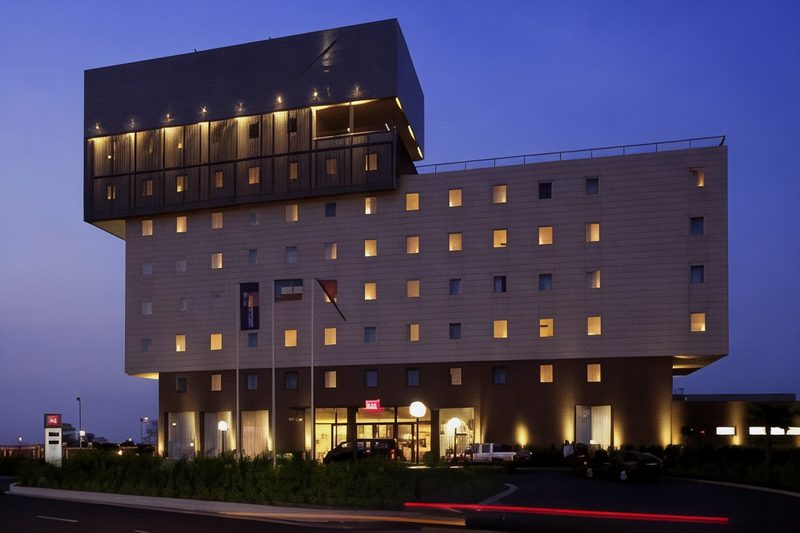
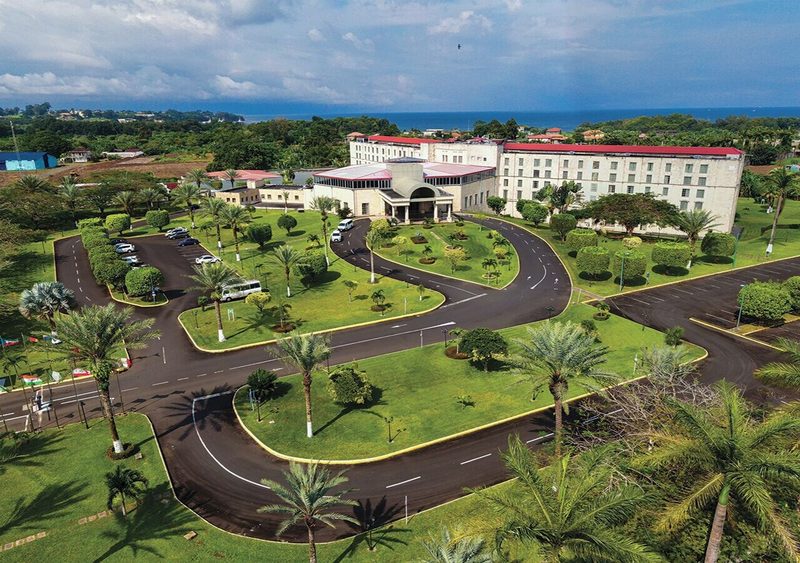
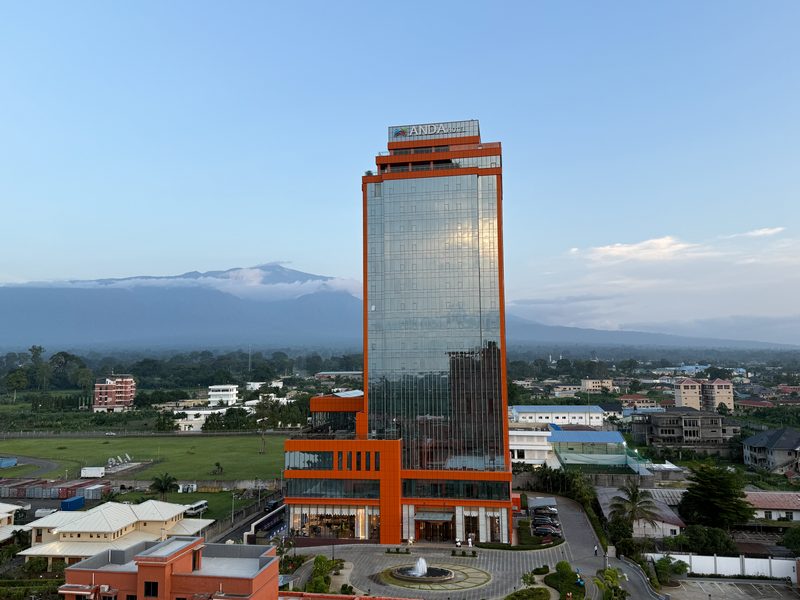
Where to Stay in Malabo in April
Hand-picked hotels across price tiers for April travellers.
Public Holidays in April
Dates that affect opening hours, transport and crowds
Good Friday
Observed nationwide as a public holiday.
Packing Checklist
Bookmark this page — your progress is saved between visits
Need the full list with shopping links?
Climate-specific gear, brand recommendations, and what to leave at home.
View Malabo Packing List →Essential Tips
Insider knowledge and common pitfalls to avoid
Insider Knowledge
The Travel Authorisation required for trips outside Malabo is the single biggest logistical hurdle most visitors underestimate. Submit your application to the Ministry of Tourism the moment your visa is confirmed, because the three-to-four-day processing time is a minimum, not a guarantee. Without it, you cannot legally leave the capital, and military checkpoints on the road south will turn you back. Planning a day trip to Moka or Arena Blanca without this document is planning to fail.
Spanish is the working language of Malabo, and outside the handful of hotels that cater to oil-industry expats, English gets you almost nowhere. Even basic Spanish, enough to greet people, ask for directions, and order food, changes your experience completely. The Fang and Bubi languages are spoken in markets and villages, and a guide who bridges those languages opens doors that Spanish alone cannot.
Malabo's best meals are not in restaurants. The women grilling whole fish over charcoal at the port market in the late afternoon, the smell of palm oil and scotch bonnet peppers drifting through the smoke, serve food that no sit-down establishment in the city matches. Ask for pepesup, the spicy fish soup that is the national dish, or bilola, the giant sea snails grilled in their shells and served with a peppery sauce. Eating at these stalls is how locals eat, and the food is fresh because the boats come in the same afternoon.
Do not photograph anything near the presidential palace, military installations, ports, or the airport. This is not a suggestion. Travelers have been detained for pointing a camera in the wrong direction, and your embassy's ability to help in Equatorial Guinea is limited. Ask your guide before photographing any government building, and when in doubt, keep the camera in the bag. The old colonial quarter and the markets are generally safe to shoot. But confirm each time.
Avoid These Mistakes
Arriving without a visa and assuming you can sort it out on the ground. Equatorial Guinea's entry requirements are strict, the rules have changed multiple times in recent years, and showing up at Malabo International Airport without the correct paperwork will likely result in being put on the next flight out. Confirm your visa status with the nearest Equatorial Guinea embassy or consulate well before departure, not with travel forums or aggregator websites, which often publish conflicting information.
Packing light cotton clothes and nothing else, then being stunned by the highland chill above Moka. Malabo's coast sits at sea level in equatorial heat. But the trail to Lake Biao climbs to over 1,200 m (3,937 ft) where the temperature can drop to 18°C (64°F) under the forest canopy in wet weather. Travelers who plan only for the coast end up cold and miserable on the one excursion they came for.
Scheduling every activity back-to-back with no buffer for bureaucracy, weather, or mechanical failure. Roads wash out, the Travel Authorisation arrives a day late, the vehicle your guide arranged breaks down on volcanic gravel. Build at least one full rest day into any itinerary longer than three days, and front-load your Malabo city activities so the paperwork for southern Bioko has time to clear.
Ready to plan your trip to Malabo?
Now that you've got the research covered, here's where to go next.
Book Experiences in Malabo
Top-rated things to do in Malabo this April
