
Where to Stay in Malabo
Your guide to the best areas and accommodation types
Malabo packs its hotels into two clear zones. Centro Histórico keeps the Spanish-era facades, the roasted plantains, the diesel tang. Sipopo lies eight kilometers east along Bioko Island's volcanic coast, a resort enclave built for comfort. Prices top anywhere else in Central Africa. Oil money lifts guesthouses and luxury suites alike.
Budget beds are rare. Mid-range here means business class. Reserve early during dry-season months when government delegations swallow the center.
Budget
$60-90 per night for guesthouses and basic hotels
Mid-Range
$120-200 per night for 3-4 star business hotels
Luxury
$220-380 per night for 5-star international properties
Where to Stay in Malabo
Hand-picked hotels across price tiers for every visitor.
Our Top Picks
The highest-rated hotel in each price range, selected from all neighborhoods.
Top Pick: Centro Histórico
Mid Range
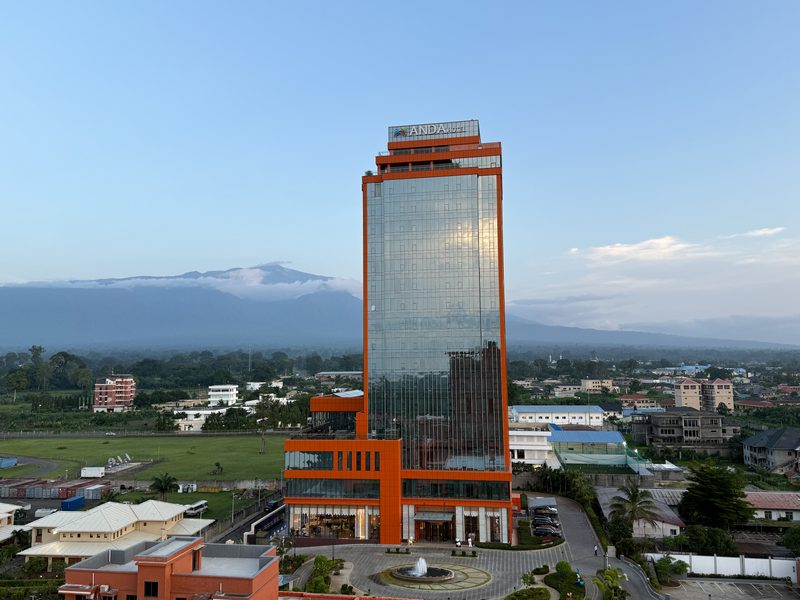
Hotel Anda
"Hotel location is good, close to the work place, the environment is good for the…"
Indoor swimming pool
Outdoor swimming pool
Casino
Sauna
Centro Histórico
Check prices on Trip.com →
Best Areas to Stay
Each neighborhood has its own character. Find the one that matches your travel style.
Hotel recommendations verified
Centro Histórico
Mid-range to luxury
The colonial heart beats around Plaza de la Independencia and the pale-yellow Cathedral of Santa Isabel. Spanish facades stand above streets where roasted plantains and diesel mingle under wrought-iron balconies. Government ministries, the main port, and most restaurants sit within ten minutes on foot.
- ✓ Walking distance to the cathedral, port, central market, and main banks
- ✓ Highest concentration of restaurants and international ATMs in Malabo
- ✓ Reliable taxi availability around the clock without pre-booking
- ✓ Best mobile and data signal in the city
- ✗ Street noise and generator hum from neighboring compounds continue through the night
- ✗ Traffic congestion during morning and evening rush is severe on the main thoroughfares
Recommended places to stay in Centro Histórico
Mid Range
Hotel Anda
"Hotel location is good, close to the work place, the environment is good for the…"
Indoor swimming pool
Outdoor swimming pool
Casino
Sauna
✓ Verified
Check prices on Trip.com →
Mid Range
Bisila Palace
"Place && hotel staff are fantastic. The only problem is the guy who is working…"
Outdoor swimming pool
Sauna
Gym
Luggage storage
✓ Verified
Check prices on Trip.com →
Mid Range
Ericely Inmobiliaria
Gym
Parking
Airport pick-up
Luggage storage
✓ Verified
Check prices on Trip.com →
Mid Range
Magno Suites
"Overall, I highly recommend Magno Suites for anyone visiting the area. Whether y…"
Luggage storage
Wi-Fi in public areas
✓ Verified
Check prices on Trip.com →
Mid Range
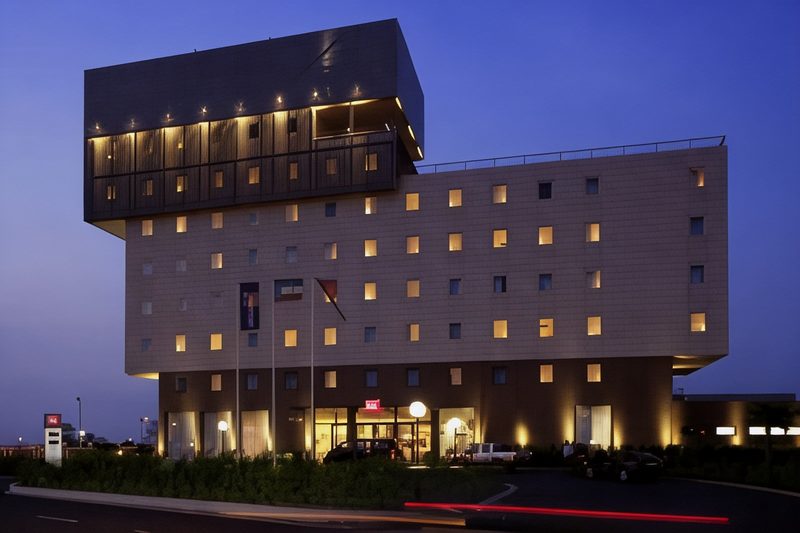
Ibis Malabo
"I like this place very much. It is a very good choice. I have been here several…"
Indoor swimming pool
Outdoor swimming pool
Private parking
Priority airport pick-up
✓ Verified
Check prices on Trip.com →
Caracolas
Mid-range
A quieter residential and beach neighborhood immediately north of the center, where the volcanic black sand meets the warm Atlantic and fishing boats creak at anchor before dawn. The air carries brine, charcoal smoke, and the sweet tang of grilling fish from the beachside stalls that fire up at dusk.
- ✓ Direct access to Caracolas Beach with fewer crowds than the Sipopo resort zone
- ✓ Cooler evening temperatures from the persistent Atlantic breeze
- ✓ Calmer streets and less generator noise than Centro Histórico
- ✓ Local seafood stalls within a five-minute walk serving freshly caught bream
- ✗ Taxis thin out after 22:00 and pre-arranging transport back from the center is necessary
- ✗ Dining variety is narrow, beyond seafood the options are limited to a handful of neighborhood spots
Recommended places to stay in Caracolas
Mid Range
HOTEL CARMEN GALAXI
Wi-Fi in public areas
Children's pool
✓ Verified
Check prices on Trip.com →
Ela Nguema
Budget
A densely populated southern neighborhood that is the city's everyday commercial core, with street vendors, open-fronted bars pulsing with makossa and bikutsi music, and the persistent sizzle of fried fish on charcoal grills. Accommodation here is simple and the cheapest available in Malabo proper.
- ✓ Lowest nightly rates in the city by a clear margin
- ✓ Excellent proximity to local markets and street food stalls serving cassava and smoked beef
- ✓ Frequent shared taxis connecting to the center and airport throughout the day
- ✓ Authentic neighborhood energy absent in the hotel-district areas
- ✗ Power outages are more frequent and longer here than in the center, with gaps reaching two hours
- ✗ Side streets require more vigilance after dark. Stick to the main commercial arteries at night
Campo Yaounde
Mid-range to luxury
The diplomatic and expatriate enclave west of the center, characterized by walled compound residences, embassy buildings, and the quietest streets in Malabo. Bougainvillea spills over whitewashed walls and the faint smell of irrigation water hangs in the morning air, a sharp contrast to the diesel-laden downtown.
- ✓ The most secure neighborhood in Malabo by a consistent margin
- ✓ Quieter streets with markedly less diesel exhaust than the central districts
- ✓ Several embassies within walking distance for administrative and consular matters
- ✓ Good supply of furnished apartments with compound security and backup generators
- ✗ Requires a taxi for virtually all dining and shopping, almost nothing accessible on foot beyond the compound walls
- ✗ Premium prices reflecting expat demand rarely move regardless of negotiation
Recommended places to stay in Campo Yaounde
mid_range
Residencias Campo
Sipopo
Luxury
A purpose-built resort zone eight kilometers east of Malabo along the coast, developed for the 2012 African Cup of Nations with a conference center, private beach, and manicured grounds that smell of cut grass and sunscreen. The Atlantic looks a deeper blue here where volcanic cliffs drop to the water.
- ✓ The best-maintained and cleanest beach on Bioko Island with warm, clear water
- ✓ Resort facilities including spa, pools, and water sports found nowhere else in Malabo
- ✓ No street noise, the grounds are self-contained and quiet after dark
- ✓ Industrial-grade backup generators maintain continuous power through every outage
- ✗ The eight-kilometer taxi ride into the city adds daily time and cost for anyone needing the center
- ✗ The resort isolation creates little contact with actual Malabo life, it could be any coastal conference campus
Recommended places to stay in Sipopo
Puerto District
Budget
The working harbor zone where cargo vessels, fishing trawlers, and the ferry connecting Malabo to Bata all dock. The air carries salt, engine oil, and the sweet-rotten smell of overripe tropical fruit being unloaded at the wharf before dawn. Accommodation is basic. It caters primarily to sailors, traders, and travelers catching early ferry departures.
- ✓ Walking distance to the ferry terminal. No taxi needed for early morning departures. Roll out of bed. Walk aboard.
- ✓ The cheapest street food in Malabo at the portside stalls serving fried plantain and grilled sardines. Eat with your hands. Pay with coins.
- ✓ Genuine harbor atmosphere at dawn when the fishing fleet returns with the smell of the catch. Gulls scream. Engines idle. Nets drip.
- ✗ The loudest and most chaotic neighborhood in Malabo. Noise from the port never fully stops at any hour. Earplugs help. Sleep comes hard.
- ✗ Low-lying terrain floods in heavy rainfall, which occurs regularly during the wet season. Bring boots. Expect puddles.
Recommended places to stay in Puerto District
Find Hotels in Malabo
Compare prices and book your perfect stay
Find the best hotel for your stay on Trip.comPrices via Trip.com. We may earn a commission from bookings.
Accommodation Types
From budget-friendly hostels to luxury hotels, here's what's available.
Business Hotels
$120-380 per night
International-standard properties for oil-sector executives in Centro Histórico, with 24-hour generators and full business facilities. Lights stay on. Work continues.
Best for: Corporate travelers needing reliable infrastructure, meeting rooms, and proximity to government offices. Book early. Expect suits.
Oil-company procurement teams block rooms months ahead. Calling the hotel directly often secures the best available rate. Pick up the phone. Skip the middleman.
Guesthouses
$60-90 per night
Family-run operations in Ela Nguema and the Puerto District with basic clean rooms, ceiling fans, and shared or private bathrooms. Fans wobble. Sheets are clean.
Best for: Budget-conscious independent travelers willing to trade amenities for significant savings over hotel rates. Save cash. Sleep tight.
Walk-in rates in Malabo's guesthouses often match or beat any listed price. Arriving before midday gives the best room selection. Show up early. Bargain hard.
Resort Properties
$200-380 per night
Self-contained beachfront resorts in Sipopo built for the 2012 African Cup of Nations, with pools, spas, and conference facilities. Swim. Spa. Repeat.
Best for: Leisure travelers and conference delegations wanting full amenities in a beachfront setting away from city noise. Leave the city behind. Hear waves instead.
Packages that include airport transfers from Malabo city offset the cost of the daily taxi run across a multinight stay. Bundle smart. Save money.
Serviced Apartments
$100-200 per night with weekly discounts
Furnished units in Campo Yaounde and Caracolas with kitchenettes, compound security, and weekly rates for contractors on rotation. Cook your own meals. Feel at home.
Best for: Long-stay visitors and diplomatic staff who prefer self-catering and a residential atmosphere over hotel dining. Skip the buffet. Grill your own fish.
Negotiate directly with the property manager for stays of seven nights or more. Weekly rates are rarely published on booking platforms. Email first. Ask politely.
Booking Tips
Insider advice to help you find the best accommodation.
Summit schedules fill the Hilton weeks out
African Union and CEEAC summit dates are announced several months in advance and their delegations fill the Hilton Malabo and all Sipopo properties immediately. Know these dates before booking. Keep a Centro Histórico mid-range property as a backup for those windows.
Ela Nguema guesthouses have no online presence
The budget guesthouses in Ela Nguema and the Puerto District operate entirely offline. Arriving in Malabo with a list of addresses and negotiating in person, before midday, is more reliable than searching any booking platform for that tier. Bring a list. Knock on doors.
Generator reliability matters more than star ratings
Malabo experiences regular power cuts lasting one to four hours. Properties above mid-range maintain industrial generators with near-instant switchover. Budget options vary considerably. Ask specifically about generator capacity and switchover time before confirming a reservation.
Campo Yaounde apartments prefer email over walk-ins
Furnished compound apartments in the diplomatic enclave are managed by property agents who respond to emailed inquiries rather than walk-ins. Allow two to three business days for a reply and contact them at least two weeks before arrival. Plan ahead. Be patient.
When to Book
Timing matters for both price and availability.
High Season
Reserve luxury and mid-range properties six to eight weeks ahead for December through February and during confirmed summit or tournament schedules. Hilton Malabo in particular fills at those windows. Book early. Avoid disappointment.
Shoulder Season
March through May and September through November see lighter demand. Mid-range rates drop noticeably and same-week bookings at Hotel Bahían and Hotel Impala are usually possible. Travel off-peak. Save cash.
Low Season
June through August is the cool misty season when leisure travel drops. Sipopo resort rates soften and last-minute bookings typically succeed for the beach properties. Embrace the fog. Find a deal.
Three weeks covers most Centro Histórico bookings. Sipopo and Campo Yaounde apartments need four to six weeks for confirmed availability. Mark your calendar. Send the email.
Good to Know
Local customs and practical information.
Check-in / Check-out
Standard check-in is 14:00 with 12:00 checkout. Business hotels in Malabo store luggage reliably for early arrivals coming off the overnight ferry from Bata. Drop your bag. Explore town.
Tipping
Not a local custom. But the oil-industry expat presence has introduced it at upscale properties. Rounding up at the restaurant or leaving a small amount for housekeeping is appreciated rather than expected. Leave a little. Smile anyway.
Payment
US dollars and euros are accepted alongside the Central African CFA franc at most Malabo hotels. Budget guesthouses typically insist on CFA francs. International cards work at the Hilton and Sipopo properties. Carry cash for everywhere else.
Safety
Centro Histórico and Campo Yaounde feel secure for a capital city. Use common sense after sunset in Puerto District. Lock passports in the room safe. Book airport rides through the hotel desk. Street taxis fade after dark. Safer this way.
Ready to plan your trip to Malabo?
Now that you've got the research covered, here's where to go next.