Things to Do in Malabo in September
September weather, activities, events & insider tips
Low Season · Budget Friendly
September Weather in Malabo
Long-run averages for September
82°F (28°C)
High Temp
73°F (22°C)
Low Temp
9.8 inches (249 mm)
Rainfall
86%
Humidity
13
Sunny-Day UV
⚠ Malaria transmission intensifies during September's wet season as standing water from sustained rains creates ideal mosquito breeding conditions across Bioko Island. Prophylactic medication is strongly recommended and should be arranged with a travel health provider before departure.
⚠ Heavy downpours cause flash flooding on Malabo's lower-elevation streets, near the port and older commercial district. Avoid walking through standing floodwater, which conceals open drainage channels and carries debris.
⚠ Road conditions to southern Bioko deteriorate significantly during September. The route beyond Luba toward Ureka becomes impassable without a high-clearance 4x4, and even with one, sections of the road wash out periodically after major storms. Check conditions locally before attempting any southbound drive.
Is September Right for You?
Weigh the advantages and considerations before booking
Advantages
- + Bioko Island reaches its most dramatic green during September. The volcanic slopes of Pico Basile vanish into cloud forest. Wild orchids colonize every trunk with bark to spare. The undergrowth along highland trails grows dense enough to fill the air with the scent of wet earth, decomposing leaves, and something faintly sweet you cannot quite place. Photographers who time their shots between cloud breaks get landscapes that look digitally altered. They are simply Bioko doing what it does when it rains for a month straight.
- + September is about as empty as Malabo gets. Equatorial Guinea already sees a fraction of the visitor traffic of neighboring Cameroon or Gabon. The wet season reduces that trickle to nearly nothing. You will walk the waterfront promenade at dawn with only joggers and fishermen for company. The plaza in front of the Catedral de Santa Isabel will feel like a courtyard that belongs to you alone. Worth it.
- + Accommodation pressure eases in September. The oil-sector contract workers who inflate Malabo's room rates during peak business months thin out in Q3. Guesthouse owners outside the Sipopo corridor tend to be more open to negotiation. This is unthinkable during the dry season when every decent bed in the city is claimed weeks ahead. Book now.
- + Primate activity on Bioko peaks during the cooler, wetter months. The drill monkeys, red colobus, and black colobus in the southern highland forests move more freely through rain-cooled mornings. The research trails near Moka and the Gran Caldera de Luba are essentially yours alone. For anyone with a serious interest in African primates, this seasonal window is hard to replicate anywhere else on the continent.
Considerations
- − The rainfall is not a gentle inconvenience. At 249 mm (9.8 inches) across the month, it arrives in dense, vertical downpours that turn unpaved roads into streams within the hour. Southern Bioko's road beyond Luba becomes impassable for standard vehicles. Even Malabo's paved streets flood at the low points near the port district, sometimes knee-deep. Pack accordingly.
- − Humidity sits at 86% and rarely budges. Combined with 28°C (82°F) heat, it creates a thick, clinging warmth that makes even a short walk feel like work. Air conditioning is unreliable outside the newer Sipopo developments. Power cuts compound the discomfort. Your clothes will not fully dry between wearings without help. Bring extras.
- − Rough seas in the Gulf of Guinea cancel or delay boat excursions without much warning. If your plans hinge on open-water activities or reaching smaller offshore points, September introduces a layer of uncertainty that the drier months simply do not carry. Plan flexibly.
Best Activities in September
Top things to do during your visit
Pico Basile Cloud Forest Exploration
September wraps the upper slopes of Pico Basile in cloud so dense the light turns green and the air tastes like wet moss. The volcano rises to 3,012 m (9,882 ft) above Malabo. The access road switchbacks through distinct vegetation bands. Lowland palm plantations give way to montane forest, then the eerie cloud belt where lichen hangs from every branch and endemic Bioko birds call from somewhere you cannot see. The trails are muddy, sometimes ankle-deep. Footing on volcanic rock slicked with rain demands attention with every step. That is the cost of walking through a forest that feels primeval, with tree ferns taller than buildings and orchids clinging to every surface. Start before 8 AM. The summit tends to disappear behind cloud by midday. A local guide is non-negotiable. Unmarked trail forks and fast-shifting weather make solo attempts reckless.
Booking Tip: Arrange a guide through your accommodation or a licensed local operator at least a week ahead. September narrows the pool of available guides since some avoid the muddiest stretches.
Malabo Colonial Quarter Walking Tour
Between rain bursts, Malabo's colonial core rewards slow walking. The faded pastel facades along the streets near the Catedral de Santa Isabel, the wrought-iron balconies rusting in the salt air, the plaza where old men play dominoes under mango trees whose fruit hits the pavement with a wet thud every few minutes. September mornings before the first downpour tend to offer two or three hours of hazy, overcast calm that is more comfortable for walking than the blazing dry-season sun. The cathedral itself, with its twin bell towers and dark wooden interior, smells of old incense and cool stone even on the warmest days. The port area, a ten-minute walk south, brings you to the working waterfront. Pirogues unload the morning catch. The sharp brine-and-diesel scent of a harbor that nobody has prettied up for tourists fills the air.
Booking Tip: Walking tours in Malabo are informal. Ask at your accommodation for a knowledgeable local guide who speaks your language, ideally a day ahead.
Mercado Central Food and Culture Immersion
Malabo's Mercado Central operates rain or shine. September's downpours concentrate the energy inside rather than dampening it. Vendors stack plantain in every stage of ripeness alongside baskets of red snapper and crayfish still glistening from the Gulf. Pyramids of ground chili paste sting your eyes from a metre away. Palm wine sold from recycled bottles carries a sweet, yeasty fermented smell that hangs in the humid air. The market runs hottest between 7 AM and noon on weekdays, when fishing boats have just come in and the produce stalls are fullest. September's rough seas occasionally thin the fish selection. Timing your visit to a calm-weather morning is worth the effort. The food stalls along the market's edge serve pepper soup, a fiery, aromatic broth thick with fish or goat that clears your sinuses and settles into your chest like a warming blanket against the damp morning chill.
Booking Tip: No booking needed. Going with a local who can translate Fang or Bubi alongside Spanish opens the experience considerably. Bring small-denomination bills.
Arena Blanca Beach Morning Sessions
Arena Blanca, the white-sand stretch south of Malabo along the coast road, works best in September as a morning ritual rather than an all-day destination. Before 10 AM the sand is cool underfoot, the Gulf of Guinea water sits at a warm-bath temperature, and the overcast sky softens the equatorial light into something easy on the eyes and surprisingly flattering for photographs. By early afternoon the clouds thicken and the rain tends to arrive, so treat the beach as a half-day affair and keep your afternoon flexible for indoor time. The volcanic rock formations at the beach's edges get slick with algae during the wet months, so stick to the sandy stretches for swimming and wading. September's emptiness means you will likely share the sand with a handful of locals at most.
Booking Tip: Arena Blanca is accessible by taxi from central Malabo in roughly twenty minutes. No entrance booking required. Beach-side facilities are limited, so bring your own water and supplies.
Bioko Southern Highlands Primate Tracking
Bioko harbors primates found nowhere else on earth, and September's wet, cool mornings are when they move most actively through the canopy. The drill monkey, among Africa's most endangered large primates, still survives in the forests near Moka and the Gran Caldera de Luba, alongside several subspecies of red and black colobus that swing through the upper canopy at first light. The forest floor is a squelching, ankle-deep affair after weeks of rain, and leeches are part of the deal. The payoff is watching a troop of drills cross a ravine in near-total silence while sunbirds flash iridescent green above them. These are research-grade forests, not curated nature walks. You will be muddy, bitten, and probably rained on, and for the right traveler that is precisely the point.
Booking Tip: Primate tracking requires coordination with conservation programs operating in the southern highlands. Arrange at least two weeks ahead through operators based in Malabo. September limits vehicle access to some forest zones, so confirm road conditions locally before committing to multi-day trips.
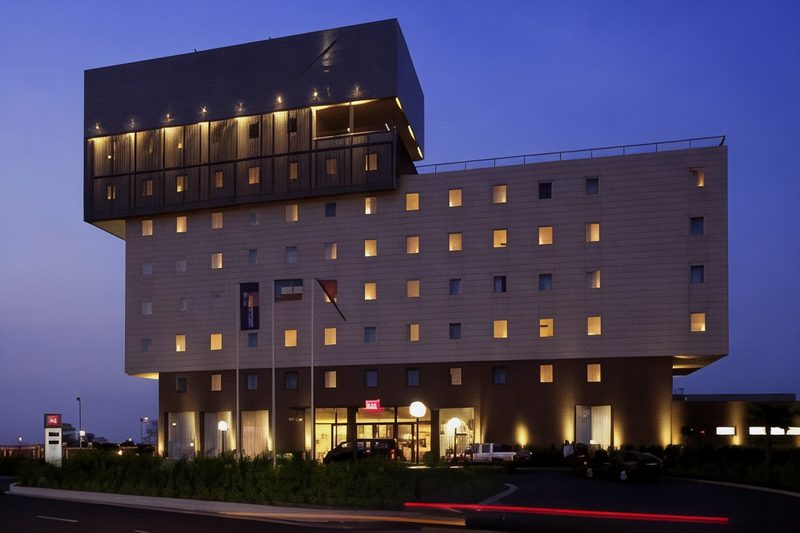
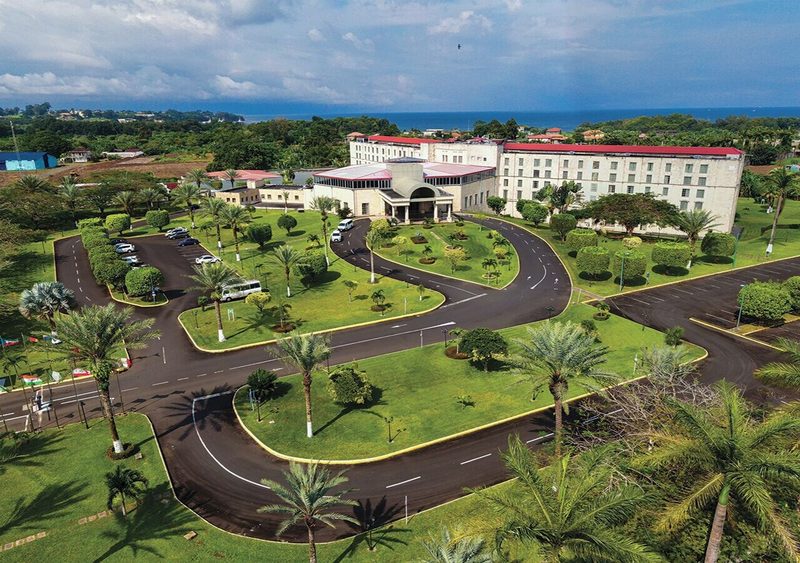
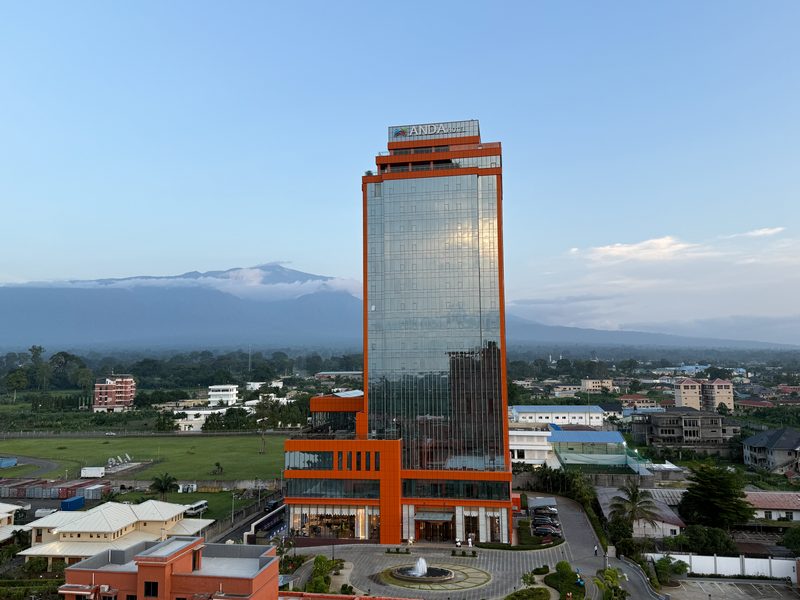
Where to Stay in Malabo in September
Hand-picked hotels across price tiers for September travellers.
Packing Checklist
Bookmark this page — your progress is saved between visits
Need the full list with shopping links?
Climate-specific gear, brand recommendations, and what to leave at home.
View Malabo Packing List →Essential Tips
Insider knowledge and common pitfalls to avoid
Insider Knowledge
Mornings before 10 AM are almost always the driest window in September. Locals structure their entire day around this rhythm: outdoor errands, market runs, and social visits happen early, and the city quiets noticeably once the afternoon rains settle in. Plan your outdoor activities for first light and keep the second half of every day flexible.
Taxis in Malabo do not run on meters, and there is no published per-kilometre rate despite what some travel forums claim. You negotiate the fare in Spanish before getting in, and September's lighter traffic tends to make drivers more relaxed about pricing than during the dry-season corporate rush. A ride across the city center costs a modest flat fare; a run out to Arena Blanca or Sipopo costs proportionally more but remains reasonable by the inflated standards of an oil-economy capital. Settle the number before the door closes.
Carry a colour photocopy of your passport and visa at all times. Police checkpoints are routine throughout Malabo, on the roads heading south out of the city, and they are not hostile. But being unable to produce identification creates complications that are entirely avoidable. Keep the original locked at your accommodation and the copy in a waterproof sleeve.
The residential neighbourhoods away from the Sipopo strip are where Malabo smells most like itself in September. Wood smoke, wet laterite, and frying plantain mix in the humid air. Follow the smoke to the informal food stalls where women fry battered plantain and serve it with a pepper sauce made from ground Scotch bonnet and palm oil that will recalibrate your tolerance for heat. These stalls have no signs and no fixed hours. They appear reliably in the mornings near the market periphery and in the evenings along the residential roads south of the cathedral.
Avoid These Mistakes
Underestimating the visa process. Equatorial Guinea maintains one of the world's most restrictive and bureaucratic visa regimes, and September does not exempt you. Begin the application through the nearest embassy months in advance, not weeks. Assuming visa-on-arrival availability or a fast turnaround is how you end up watching Malabo from the departure lounge.
Photographing government buildings, military installations, the port, or uniformed personnel. This is taken seriously in Equatorial Guinea and can result in detention, equipment confiscation, or both. The presidential compound in Malabo is sensitive. When in doubt, keep the lens capped and ask first.
Building a full itinerary around outdoor activities with no rain backup. September's 249 mm (9.8 inches) does not arrive as gentle afternoon mist. It comes in vertical walls of water that shut down roads and strand you wherever you happen to be standing. Every day needs an indoor fallback and a willingness to rearrange on short notice.
Ready to plan your trip to Malabo?
Now that you've got the research covered, here's where to go next.
Book Experiences in Malabo
Top-rated things to do in Malabo this September
