Things to Do in Malabo in May
May weather, activities, events & insider tips
Low Season · Budget Friendly
May Weather in Malabo
Long-run averages for May
86°F (30°C)
High Temp
74°F (23°C)
Low Temp
8.9 inches (226 mm)
Rainfall
84%
Humidity
11
Sunny-Day UV
⚠ Malaria risk on Bioko Island increases significantly during the wet season as standing water multiplies mosquito breeding sites. Prophylaxis medication is essential, not optional. Consult a travel medicine specialist at least four weeks before departure and carry a treated bed net regardless of what your accommodation claims to provide.
⚠ Afternoon storms can produce intense lightning, over higher ground toward Pico Basile. If you are hiking or on exposed terrain when cumulus clouds begin towering after midday, descend immediately. Lightning fatalities on equatorial volcanic islands are not rare.
⚠ Unpaved roads in southern Bioko become impassable during and after heavy rain. Vehicles get stuck in the volcanic clay, and recovery can take hours in areas without mobile phone signal. Always confirm road conditions the morning of any planned trip outside the city, and carry water and food as contingency.
Is May Right for You?
Weigh the advantages and considerations before booking
Advantages
- + Malabo's wet season green-up turns Bioko Island into one of the most photogenic volcanic landscapes in Central Africa. The hillsides above the city shift from dusty olive to an almost neon emerald by mid-May. Cloud formations rolling off Pico Basile in late afternoon create dramatic skies that dry-season visitors simply never see.
- + Crowds, already thin by global tourism standards, drop even further in May. You'll likely have the Cathedral of Santa Isabel and the colonial quarter around Plaza de la Independencia largely to yourself on weekday mornings. Accommodation that requires weeks of advance booking during the African Union summit season or the October independence celebrations tends to have same-week availability now.
- + May marks the peak fruiting season for Bioko's tropical orchards. Mangoes, papayas, and the island's aromatic variety of guava flood the stalls at Mercado Central. The palm wine tappers are at full production. The food in Malabo right now is arguably at its seasonal best. The freshwater prawns from highland streams run fat after the early rains.
- + Primate observation on Bioko reaches a sweet spot in May. The island's endemic drills and several colobus species become more active and visible as fruit availability peaks in the rainforest canopy. The undergrowth, while denser, channels movement along predictable corridors that experienced guides know well.
Considerations
- − The rain is real and it is heavy. At 226 mm (8.9 inches) for the month, May delivers roughly eight times the rainfall of January's dry spell. Downpours tend to arrive in fierce afternoon bursts that can turn unpaved roads south of the city into red-clay rivers within thirty minutes. Build flexibility into any plans involving southern Bioko.
- − Humidity at 84% makes Malabo feel hotter than the thermometer reads. The air sits thick and warm from dawn onward. The combination of equatorial sun and moisture means you will sweat through whatever you are wearing by mid-morning. Air conditioning is not universal outside of the newer hotels and the Sipopo development corridor.
- − Equatorial Guinea remains one of the most expensive destinations in Africa, and May offers no seasonal discount. The oil-driven economy prices accommodation, meals, and transport at levels that catch most travelers off guard, given that infrastructure outside the city center can be rough. Budget travel here requires serious advance planning and local contacts.
Best Activities in May
Top things to do during your visit
Pico Basile Cloud Forest Hiking
Pico Basile rises 3,012 m (9,882 ft) above sea level directly behind Malabo. In May the mountain wears a near-permanent crown of mist that turns the upper montane forest into something otherworldly. Mosses drip from every branch. The air temperature drops to around 15°C (59°F) at altitude, and the humidity means every surface gleams. You will hear the drill monkeys before you see them, a barking alarm call that echoes through the canopy. The lower trails remain passable in May. Anything above 2,000 m (6,562 ft) gets muddy and demands proper boots. Morning starts are essential, both for the brief window of clearer skies and because afternoon storms at altitude are not something you want to be exposed in. Plan for a half-day minimum. Be realistic about fitness. The gradient is relentless.
Booking Tip: Arrange guided treks through licensed local operators at least two weeks ahead, as the national park access requires permits that take time to process. Solo hiking is technically prohibited in the reserve.
Bioko Island Primate and Wildlife Expeditions
Bioko's southern highlands shelter some of the most endangered primates in Africa, including the Bioko drill and Pennant's red colobus. May's fruit flush brings them down to feeding zones that guides have mapped over decades. The forest here smells of wet earth, rotting jackfruit, and the sharp mineral tang of volcanic soil after rain. Birdlife is extraordinary too, with the island's endemics including the Fernando Po speirops calling from the mid-canopy in a rising two-note whistle that carries through the dripping understory. Expect to get muddy. Expect leeches. Expect to be rewarded with sightings that make those annoyances vanish from your memory. The Moka Valley approach is the most accessible route, crossing through cocoa plantations where the pods hang fat and purple from tree trunks before the trail enters primary forest.
Booking Tip: Wildlife expeditions require coordination with conservation groups and local guides who hold the necessary permits. Book at least three weeks ahead, as logistics on southern Bioko involve vehicle transfers on unpaved roads that need dry-weather windows.
Malabo Colonial Quarter Walking Tours
Malabo's colonial core is compact enough to cover on foot in a morning. In May the overcast skies and slightly cooled temperatures before the afternoon storms make walking the old streets surprisingly pleasant. The Spanish-era buildings along the avenues radiating from Plaza de la Independencia are peeling and salt-stained in a way that feels honest rather than scenic. The Cathedral of Santa Isabel, completed in 1916, is dark inside even at noon, its neo-Gothic arches trapping the coolness like a stone cellar. The faint smell of old wood and candle wax hangs in air that has not moved in a century. From there, the waterfront Paseo Maritimo stretches east toward the port, where the clang of container cranes mixes with the low thrum of fishing boats idling at the dock. Early morning, before the heat sets in, is when the city feels most alive. Street-side vendors set up charcoal grills. The sharp scent of frying plantain drifts across the road. Taxi drivers gather at their usual corners, chatting.
Booking Tip: Walking tours can be arranged through cultural organizations in Malabo with a few days notice. A knowledgeable local guide transforms the colonial quarter from a photo stop into a history lesson.
Arena Blanca and Southern Beach Excursions
The beaches south of Malabo, around the Arena Blanca stretch near the Sipopo complex and the darker volcanic-sand coves farther down the coast toward Luba, offer warm Gulf of Guinea water that hovers around 27°C (81°F) in May. The sand at Arena Blanca is coarse and pale by tropical standards, and the water is calm enough for swimming on most mornings before the afternoon weather builds. This is not a manicured resort coast. The beauty is rougher: black volcanic rock framing crescent bays, coconut palms leaning hard from years of Atlantic wind, and the deep green of the forest pressing right down to the tide line. The trade-off in May is that afternoons can bring sudden squalls off the water, so mornings are your window. Bring reef shoes for the rockier southern coves, where tide pools hold small octopus and spiny urchins that glow purple in the shallows.
Booking Tip: Beach excursions south of Luba typically require a vehicle and driver, arranged at least a week in advance. Road conditions deteriorate in wet season, so confirm recent conditions before committing to the farther southern stretches.
Mercado Central Food and Market Immersion
Malabo's Mercado Central is loudest and most pungent between six and nine in the morning, when the night's fishing catch arrives still gleaming and the women running the produce stalls stack pyramids of plantain, cassava, and the small fiery peppers that form the backbone of Equatoguinean cooking. The smell is immediate and layered: woodsmoke from the charcoal grills outside, the briny wet-dock scent of fresh prawns, the earthy sweetness of palm oil heating in blackened pots. This is where you eat pepesoup, the heavily spiced fish broth that locals treat as both breakfast and hangover cure, spooned from a communal pot into plastic bowls with enough chili to make your eyes water. The market is not organized for tourists, which is the point. You will be the only foreigner most mornings, and the sellers, once they get past the novelty, are direct and funny and will correct your Spanish with cheerful impatience. Taste the fresh palm wine, called tope, poured from a calabash. It is milky, slightly fizzy, faintly sweet, and it does not travel, so this is the only place you will ever drink it at its best.
Booking Tip: No advance booking needed for the market itself. For a guided food-focused walk that includes context on local ingredients and cooking traditions, arrange with a local cultural guide a few days ahead.
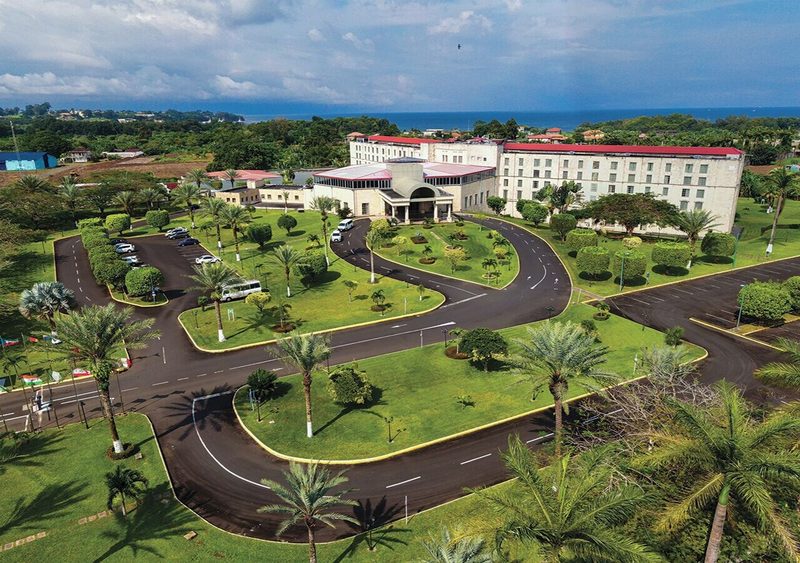
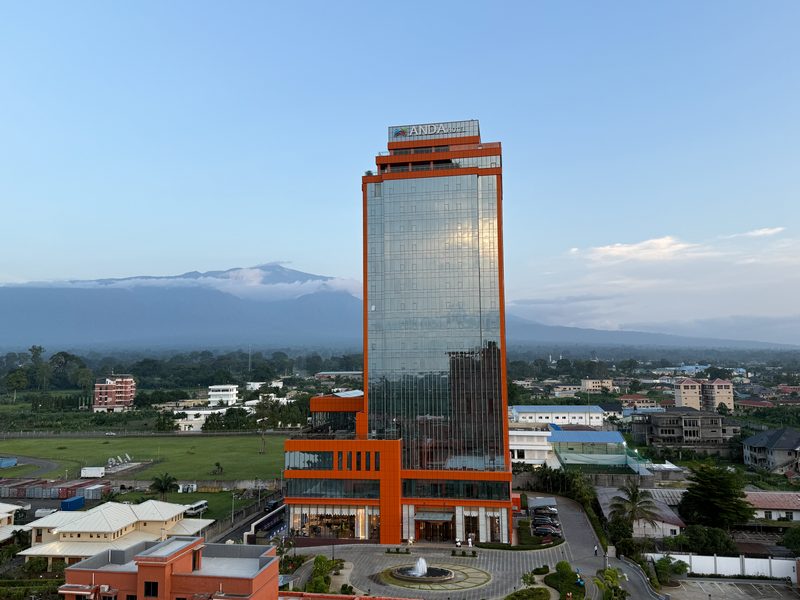
Where to Stay in Malabo in May
Hand-picked hotels across price tiers for May travellers.
Public Holidays in May
Dates that affect opening hours, transport and crowds
Labour Day
Observed nationwide as a public holiday.
Corpus Christi
Observed nationwide as a public holiday.
Labour Day
Observed nationwide as a public holiday.
Packing Checklist
Bookmark this page — your progress is saved between visits
Need the full list with shopping links?
Climate-specific gear, brand recommendations, and what to leave at home.
View Malabo Packing List →Essential Tips
Insider knowledge and common pitfalls to avoid
Insider Knowledge
Drink the tope fresh. Palm wine from the tappers who bring calabashes down from the hillside plantations in the early morning is a completely different substance from the fermented version sold in bottles later in the day. By noon it turns vinegary and harsh. Before nine in the morning, bought near the Mercado Central from the women who receive it direct from the tappers, it is cool, milky, faintly effervescent, and mildly sweet, more like a natural sparkling cider than anything alcoholic. This is a taste that exists nowhere outside equatorial West Africa.
Shared taxis in Malabo follow fixed routes but no posted schedule. The system is intuitive once you watch it for twenty minutes. Vehicles heading your direction slow and the passenger calls out the destination through the window. Locals will help you sort it out if you look lost, and the fare is standard for each route, so there is little risk of being overcharged if you observe what others pay. That said, having a local contact or your hotel arrange private transport for trips outside the city center saves real headaches, in the rain.
Photography near government buildings, military installations, and the presidential compound is strictly prohibited and enforced. This is not a suggestion. Police and plainclothes security will confiscate your device and detain you. Keep your camera pointed at the cathedral, the market, and the waterfront, and ask before photographing anyone directly. Most people will say yes and then want to see the photo.
The electricity supply in Malabo is unreliable, and outages during afternoon storms are common. Charge everything overnight, carry a power bank, and do not assume your hotel's backup generator covers guest room outlets. The newer properties near Sipopo are more consistent. But even they drop power occasionally. A small headlamp earns its place in your bag for navigating dark hallways and streets when the grid goes down.
Avoid These Mistakes
Underestimating the cost of everything. Equatorial Guinea's oil economy means Malabo prices accommodation, food, and transport at levels closer to Zurich than to neighboring Cameroon or Gabon. Travelers who arrive expecting West African budget pricing face genuine sticker shock. The trick is to plan and prepay what you can before arrival, eat where locals eat rather than at hotel restaurants, and accept that this is simply an expensive destination by any standard.
Failing to secure a visa well in advance. Equatorial Guinea's visa process is notoriously slow and bureaucratic, with requirements that can shift depending on the consulate. Starting the process less than six weeks before travel is gambling with your departure date. Bring more passport photos than you think you need, and have your accommodation confirmation and return flight documentation ready at the border, because immigration officers will ask.
Planning outdoor activities exclusively for the afternoon. May's rain pattern tends to deliver its heaviest downpours between roughly two and five in the afternoon. Travelers who sleep in and start their day at noon lose the best weather window. The mornings, from six to eleven, are often hazy but dry, with lower humidity and gentler light. Shift your schedule early and treat afternoons as indoor or rest time, and you will have a better trip.
Ready to plan your trip to Malabo?
Now that you've got the research covered, here's where to go next.
Book Experiences in Malabo
Top-rated things to do in Malabo this May
