Things to Do in Malabo in November
November weather, activities, events & insider tips
Low Season · Budget Friendly
November Weather in Malabo
Long-run averages for November
85°F (29°C)
High Temp
73°F (23°C)
Low Temp
3.9 inches (99 mm)
Rainfall
84%
Humidity
11
Sunny-Day UV
⚠ November is a transition month. Residual wet-season storms can still produce sudden heavy downpours, in the afternoons. Flash flooding on low-lying roads in and around Malabo is possible after these bursts. The laterite roads to southern Bioko can become impassable for hours after a hard rain. Plan accordingly.
⚠ The combination of 29°C (85°F) heat and 84% humidity creates conditions where heat exhaustion builds faster than the temperature alone suggests, during physical activity like hiking Pico Basile or tracking primates in the Moka Valley. Drink water aggressively and schedule strenuous activity for early mornings before the heat compounds.
⚠ Bioko Island is in a high-risk malaria zone year-round. November's residual standing water from the wet season keeps mosquito populations elevated, and the risk is real rather than theoretical. Prophylaxis, repellent, and covering exposed skin after dark are not optional precautions.
Is November Right for You?
Weigh the advantages and considerations before booking
Advantages
- + Rainfall crashes from October's brutal 10 inches (254 mm) to under 4 inches (99 mm) in November. Trails across Bioko Island reopen after months submerged under rust-colored runoff. The cloud cap over Pico Basile lifts. Clear morning sky stretches for hours. Dry windows for outdoor plans become reliable. Two weeks earlier, this was impossible.
- + Malabo draws almost no leisure tourists. November is quieter still. Arena Blanca beach, the Moka Valley primate trails, and the colonial quarter feel like personal discoveries. No one packaged these for you. Oil-industry business travelers cycle through hotels on short rotations. They are the only crowd you will find.
- + Sea turtle nesting season opens in November. Bioko's remote southern beaches come alive. Leatherback and green turtles haul onto dark volcanic sand near Ureka. This is one of the Gulf of Guinea's most significant nesting grounds. Zero other travelers compete for this wildlife encounter.
- + Temperatures hold at 29°C (85°F). January and February spike to 31°C (88°F). Mornings drop to 23°C (73°F). Atlantic breeze makes walking Malabo's waterfront tolerable. The wet season's tail end softens the equatorial heat. Punishing heat waits until later.
Considerations
- − Humidity locks at 84%. The air clings to your skin instantly. November in Malabo feels heavier than the thermometer shows. Cotton stays damp by mid-morning. Leather turns tacky within hours. Air conditioning becomes essential.
- − Tourist infrastructure on Bioko remains rudimentary. Accommodation outside Malabo is scarce and unpredictable. The road south to turtle-nesting beaches deteriorates to rutted laterite. Wet-season punishment shows. Dining beyond the capital means whatever the nearby cook stall serves. Plan accordingly.
- − Equatorial Guinea's visa process is among Africa's most opaque. Even experienced travelers get caught out. Applications need an invitation letter, proof of accommodation, a yellow fever certificate, and weeks of lead time. Approval timelines feel arbitrary. Start eight weeks before a November trip. Have a backup plan.
Best Activities in November
Top things to do during your visit
Pico Basile Volcano Excursions
November likely brings the first clear access to Pico Basile's upper slopes since May. The peak hits 3,012 m (9,882 ft). It dominates Bioko Island's northern skyline. The paved military road climbs through three vegetation zones. Lowland tropical forest drips with ferns and epiphytes. Montane forest hosts black colobus monkeys overhead. Sparse grassland nears the summit. Temperature drops 15°C (27°F) from sea level. The air thins. Clear mornings finally arrive after wet-season murk. Views stretch across the Gulf of Guinea to Cameroon. The final stretch demands a scramble over loose volcanic rock and wind-scoured heath. Cold gusts cut through clothing. Start before 7 AM from Malabo. Catch the clearest conditions. Convective cloud rebuilds by early afternoon. The panorama vanishes behind grey.
Booking Tip: Book a guide and 4x4 through licensed Malabo operators. Do this at least a week ahead. The military controls the upper road. Unaccompanied visitors face turnback at the checkpoint.
Southern Bioko Sea Turtle Expeditions
November opens the nesting window for leatherback and green sea turtles. Bioko's remote southern coast delivers an unfiltered experience. No packaged tour comes close. The journey from Malabo to Ureka takes most of a day. Wet-season roads fight back: rutted laterite, brown stream crossings, forest tracks where canopy darkness falls at noon. What waits matters. This is one of the Gulf of Guinea's most important turtle nesting grounds. Leatherbacks exceed 2 m (6.6 ft). They haul onto black volcanic sand under equatorial starlight. Atlantic waves crash with bass-drum force. Conservation teams sometimes permit small groups. Strict red-light protocols apply. Salt spray and wet volcanic rock fill the air. Darkness is absolute beyond camp lanterns.
Booking Tip: This is expedition logistics. Not a day trip. Arrange transport, local guides, and overnight accommodation through conservation-affiliated Malabo operators. Book two weeks ahead. Commit to at least two nights for the round trip.
Malabo Colonial Quarter Walking Tours
Malabo's old center rewards walking. November's drier mornings make this possible without arriving soaked at every stop. The colonial core reads as Spanish ambition layered with oil wealth. The Catedral de Santa Isabel anchors this district with twin neo-Gothic spires and dark volcanic stone. Streets radiate outward past faded pastels and wrought-iron balconies. You could mistake this for Andalusia. Frangipani trees and equatorial heat betray the location. Plaza de la Independencia is the social center. Old men play dominoes under shade trees each morning. Grilled plantain drifts from vendor carts. The Mercado Central sits a few blocks south. This is Malabo's sensory heart. Stalls hold smoked fish stacked like cordwood. Malanga root arrives with dirt still clinging. Bottles of cloudy palm wine line tables. Scotch bonnets pile in orange and red pyramids. Glass government buildings rise on the outskirts. One walk tells Equatorial Guinea's modern story.
Booking Tip: Arrange local cultural guides through your Malabo accommodation. Allow at least a half day for the colonial center and market. Start before 8 AM. Beat the heat. Beat the midday market crowds.
Bioko Island Beach Day Trips
November calms the Atlantic swells. Bioko's beaches emerge from storm-season isolation. Arena Blanca sits 14 km (8.7 miles) south of Malabo. This is the most accessible option. Pale sand forms a crescent backed by coconut palms. Water holds at 27°C (81°F) year-round. Stay in until your fingers prune. The Sipopo area offers polished facilities. These were developed for the 2012 African Union summit. Calmer swimming conditions sit behind a reef break. Volcanic geology sets Bioko apart. Dark basalt headlands frame most coves. Sand shifts from cream to grey to nearly black. Underwater rock formations harbor parrotfish and moray eels. Green turtles cruise past in the warm current. Bring reef shoes. Volcanic rock cuts bare feet. Sea urchins fill every crevice.
Booking Tip: Reach Arena Blanca by taxi in about 30 minutes. Remote western coves require boat transport. Arrange this several days ahead. Availability shifts with weather and demand.
Moka Valley Primate Tracking
Highland forests above the Moka Valley shelter endangered primates. November reduces canopy drip. Tracking becomes marginally less miserable than peak wet months. The Bioko drill lives nowhere else on earth. Troops forage through montane forest at 1,500 m (4,921 ft). Black colobus monkeys tolerate careful approach. The forest floor stays muddy in November. Air smells of wet earth and fermenting fruit. Insect noise forms a constant wall. Explosive drill barks echo off crater walls. Trails run steep with buttress roots. Humidity exceeds lowland levels. Physical effort earns every sighting. The Gran Caldera de Luba Scientific Reserve extends south. This crater ranks among Africa's most biodiverse. Access requires additional permits. Multi-day treks are typical.
Booking Tip: Primate tracking requires conservation coordination. Licensed guides must know current troop movements. Arrange permits and logistics at least two weeks ahead. Group sizes face strict limits.
Where to Stay in Malabo in November
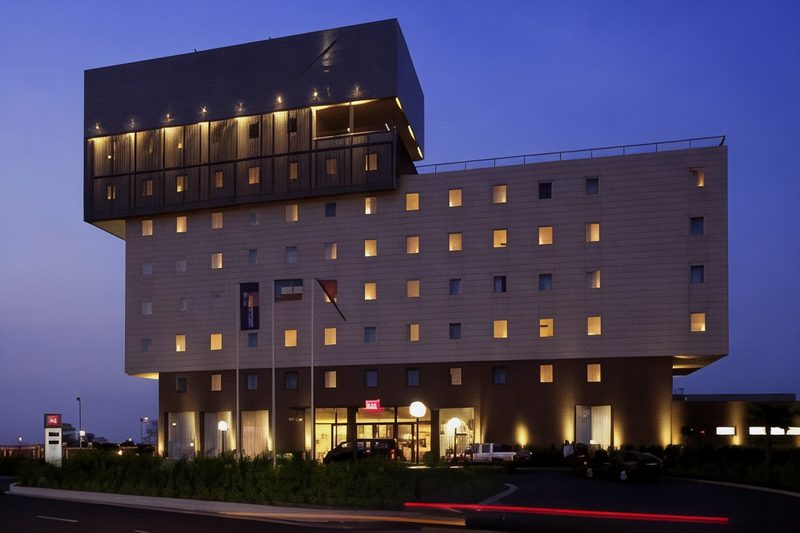
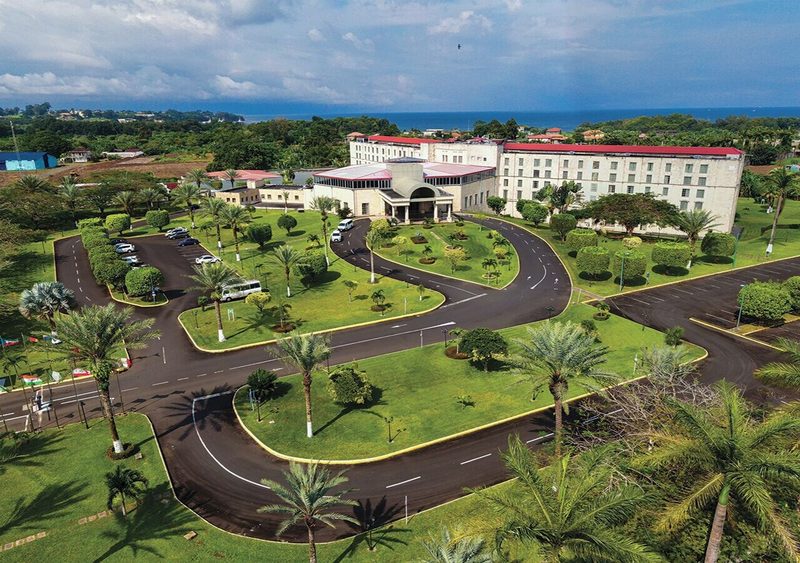
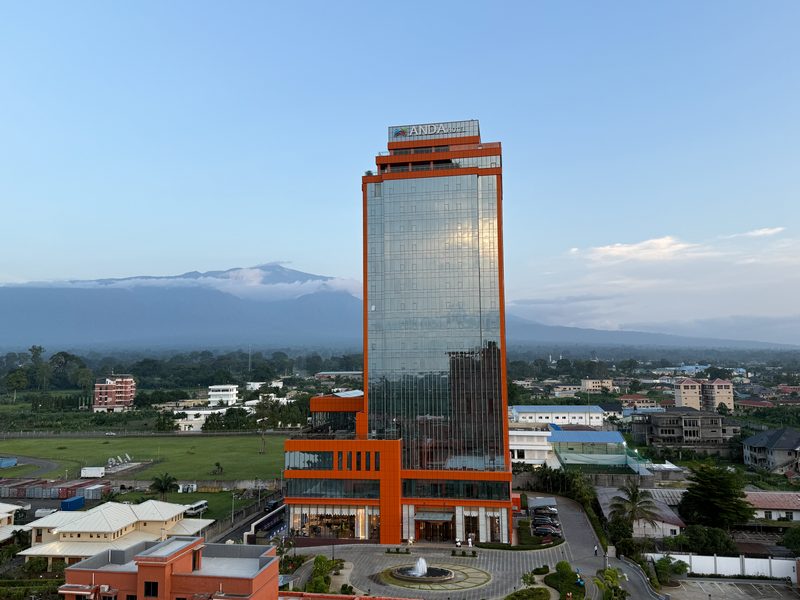
Hand-picked hotels across price tiers for November travellers.
Packing Checklist
Bookmark this page — your progress is saved between visits
Need the full list with shopping links?
Climate-specific gear, brand recommendations, and what to leave at home.
View Malabo Packing List →Essential Tips
Insider knowledge and common pitfalls to avoid
Insider Knowledge
Equatorial Guinea's visa process is notoriously slow and procedurally opaque. Apply at least eight weeks ahead through the nearest embassy. You will need an invitation letter, proof of accommodation, yellow fever vaccination certificate, and return ticket in hand. Processing times are unpredictable. There is no reliable expedited service. Some travelers report obtaining visas on arrival at Malabo airport. This is inconsistent enough that building a trip around it is a gamble you should not take.
Photography near government buildings, military installations, and the presidential compound is strictly prohibited. Enforcement skips the warning stage entirely. Confiscation of your equipment and extended questioning are the standard response. This is not the worst case. Keep your camera down in the Presidencia area and around any uniformed personnel. Even pointing a lens in the general direction of an official-looking structure can trigger a confrontation. It will ruin your afternoon.
Malabo's economy runs almost entirely on physical cash in Central African CFA francs. ATMs exist but suffer frequent outages and low withdrawal limits. These can leave you stranded for days. Bring enough euros or US dollars to exchange locally for your entire stay. Change money at banks rather than informal street changers. Credit cards are accepted at a small handful of higher-end establishments. They work essentially nowhere else on the island.
The waterfront fish market in Malabo operates from early morning. The freshest catches, red snapper, barracuda, fat octopus with the ink still wet, tend to sell out before 9 AM. Arrive early. If you want to try pepesoup, the fiery fish-and-chili broth that is the national comfort food, the women running cook stalls near the market make the best versions in the city. Sit on the bench. Point at what looks good. Eat what arrives. The sour-spicy hit of scotch bonnet pepper and lime in that broth, chased by a cold bottle of local beer, is the single flavor you will remember longest from Malabo.
Avoid These Mistakes
Do not assume the visa situation will sort itself out on arrival. Equatorial Guinea's entry requirements are rigid. They are enforced with bureaucratic indifference to your travel plans. Travelers have been denied boarding at departure airports. Others have been turned back at Malabo's immigration desk for paperwork gaps that would be a shrug at most borders. Have your visa confirmed and printed before you leave home. Full stop.
Do not reach for the camera around anything that looks official, military, or governmental. The instinct to photograph an interesting building can result in your equipment being confiscated. You may face an uncomfortable conversation with security personnel. This stretches from minutes to hours. In a country where the line between public and restricted space is not always marked, the safe rule is to ask before you shoot. Keep the lens capped when you cannot.
Do not expect Malabo to function like other African capitals with developed tourist services. There are no hop-on-hop-off circuits. No tourist information offices worth visiting. Restaurant options outside the few international hotels tend to be verbal rather than printed on a menu. Embrace the friction. It is part of why Bioko Island feels like a place you discovered rather than one that was sold to you.
Ready to plan your trip to Malabo?
Now that you've got the research covered, here's where to go next.
Book Experiences in Malabo
Top-rated things to do in Malabo this November
