Things to Do in Malabo in August
August weather, activities, events & insider tips
Low Season · Budget Friendly
August Weather in Malabo
Long-run averages for August
82°F (28°C)
High Temp
73°F (23°C)
Low Temp
7.0 inches (178 mm)
Rainfall
85%
Humidity
11
Sunny-Day UV
⚠ Malaria is endemic on Bioko Island and transmission peaks during the wet season. August's warm temperatures and standing water from frequent rain create ideal breeding conditions for Anopheles mosquitoes. Prophylaxis medication is essential, not optional. Combine it with DEET repellent and long sleeves after dusk.
⚠ Afternoon storms in August can produce intense rainfall over short periods, turning unpaved roads into impassable mudslides within minutes. The southern Bioko route between Luba and Ureca is vulnerable to washouts. Flash flooding in low-lying areas of Malabo near the port is possible after sustained heavy rain.
⚠ Road conditions outside Malabo deteriorate sharply in August. Several river crossings on the southern circuit lack bridges and become dangerous when water levels rise. Never attempt these crossings without a local driver who has current knowledge of conditions.
Is August Right for You?
Weigh the advantages and considerations before booking
Advantages
- + August brings a brief rainfall break between June at 10.3 inches (262 mm) and September at 9.8 inches (249 mm). This window creates a practical wet-season month for Bioko Island. You can explore outdoors without surrendering whole days to storms. Pack a light jacket.
- + Malabo welcomes almost no international tourists in August. The volcanic trails up Pico Basile, the southern coast beaches near Luba, and the Moka highlands feel entirely yours alongside local residents. Skip the lines entirely. Ignore guide fees. Avoid inflated seasonal pricing at guesthouses. Claim your quiet hours now. Travel slow here. Check the weather forecast daily.
- + The island reaches peak biological intensity right now. Bioko's montane forests drip with moisture, burst into bloom, and echo with bird calls. August is the prime month for spotting Bioko's endemic primate populations. Track drills and Preuss's red colobus inside the Gran Caldera de Luba reserve. Look up. Watch closely.
- + Temperatures stay remarkably steady between 23C (73F) and 28C (82F). You will miss the searing heat that bakes the mainland or West African coast cities during dry months. The steady cloud cover and regular rain keep Malabo comfortable. Walk the old colonial quarter easily. Stroll the waterfront. Enjoy the breeze. Breathe deep now.
Considerations
- − Seven inches (178 mm) of rain guarantees you will get wet. Expect regular showers without much warning. Afternoon downpours transform the red laterite roads outside Malabo into slick channels within minutes. Trails in the southern highlands become treacherous. Plan mornings for anything outdoors. Keep afternoons flexible. Bring sturdy boots.
- − Humidity at 85% fogs your camera lens the moment you step out of any air-conditioned space. Clothes hung to dry in a Malabo guesthouse might still be damp two days later. The heaviness in the air remains constant and inescapable. Your body needs time to adjust. Accept the moisture. Shed the frustration. Breathe through it.
- − Tourist infrastructure in Malabo remains limited regardless of season. Skip hop-on hop-off tours. English-speaking guides stay scarce. Transport beyond the city center requires negotiating with shared-taxi drivers in Spanish. August compounds this reality. Some of the rougher routes to Ureca and the far southern beaches become impassable after sustained rain. Check road conditions daily.
Best Activities in August
Top things to do during your visit
Gran Caldera de Luba Primate Trekking
The volcanic caldera on Bioko's southern flank holds one of Central Africa's most important primate habitats. August's dense green canopy and cooler highland temperatures keep the forest floor navigable. You will avoid the suffocating heat of the dry months entirely. The trail from Moka village drops into cloud forest. Breathe the air. It smells of wet volcanic soil and decomposing leaf litter. Listen closely. You will hear drill monkeys crashing through the canopy overhead long before you spot them. Bioko ranks among the last places on earth where drills exist in meaningful numbers. Preuss's red colobus and several guenon species share this terrain. The hike stays muddy and steep. Navigation requires zero signage. You must hire a local guide from the Moka community who knows every trail. Groups remain small by necessity. The terrain limits movement. Expect four to six hours of hard walking. Pack a headlamp. The canopy blocks almost all light even at midday. August delivers a relative rain lull compared to surrounding months. Trail washouts stay rare. You will still cross streams that ran as dry gullies in January.
Booking Tip: Arrange a guide through community contacts in Moka village at least two weeks ahead. The Bioko Biodiversity Protection Program maintains strong relationships with local guides who know the primate routes. Licensed operators with conservation credentials justify the premium. Their fees fund protection work. That work keeps primates alive. Find current guided options now.
Pico Basile Summit Hike
Bioko's highest point rises to 3,012 metres (9,882 feet) directly behind Malabo. Clear August mornings grant summit views stretching across the Gulf of Guinea to Mount Cameroon on the mainland. Most August ascents end in cloud. Cloud cover has its own appeal. The road winds through distinct vegetation zones. You pass lowland tropical forest thick with cacao trees and oil palms. You move into montane forest where the air cools noticeably. Moss hangs in heavy curtains. You reach a sparse alpine zone near the summit. Volcanic rock stays exposed. Wind cuts through wet clothing. Smell shifts with altitude. Expect humid rot at the base. Breathe clean wet earth. Find sharper mineral notes near the top. August trails run slippery but remain navigable. The cloud forest section between 1,500 and 2,500 metres (4,921 and 8,202 feet) delivers spectacular scenery. Endemic ferns and epiphytes drip from every branch. Start before dawn. Secure a clear summit window. Expect a full day trip. Allow extra time for fit hikers.
Booking Tip: Book a guide and a vehicle with four-wheel drive at least ten days ahead. The access road deteriorates significantly after the military installations partway up. Skip this without local knowledge. Prioritize operators who provide transport to the trailhead. Verify they carry emergency communication equipment. Find current options immediately.
Malabo Colonial Quarter Walking Tour
The old Spanish quarter around the Catedral de Santa Isabel and the Plaza de la Independencia is compact enough to cover on foot in a morning. August's cloud cover keeps the heat manageable for walking. The cathedral itself, built in the neo-Gothic style with materials shipped from Spain in the late nineteenth century, sits on the plaza like something transported whole from Andalucia and dropped into the tropics. Its grey stone darkened by decades of equatorial humidity. The surrounding streets mix crumbling colonial-era houses with peeling wooden balconies alongside newer concrete government buildings that reflect the oil wealth of the last thirty years. The Paseo Maritimo along the waterfront smells of salt and diesel from the port. The breeze off the Bahia de Malabo is the closest thing to natural air conditioning the city offers. Walk early, before 9 AM, when the plaza is quiet and the fishermen are still unloading the night catch at the port. By midday, the humidity will have you looking for shade in the Mercado Central. The stalls selling smoked fish, ripe plantain, and bundles of malanga root are packed into narrow aisles that trap the heat and the smell of dried chilli and palm oil.
Booking Tip: Walking guides who speak both Spanish and English are scarce. Arrange one through your accommodation at least a week ahead. Or plan to explore independently with a Spanish phrasebook. The colonial quarter is safe to walk in daylight.
Sipopo Beach and Coastal Exploration
The stretch of dark volcanic sand east of Malabo around Sipopo is Bioko's most accessible beach area. In August the water temperature hovers around 26C (79F), warm enough that you barely register the transition from humid air to sea. The sand here is not the white powder of a Caribbean postcard. It is coarse, grey-black, and warm underfoot even on cloudy days, a reminder that this island is a shield volcano sitting in the Gulf of Guinea. The waves are gentle in the bay. The water itself carries a faint green tint from the plankton that thrives in the nutrient-rich current running along the West African coast. Swimming is comfortable, though the undertow can pick up in the afternoons when the wind shifts. Between swims, the coastline east of Sipopo fragments into rocky coves backed by forest where the surf hits volcanic basalt and sends spray into the lower branches of the trees growing right to the waterline. August afternoons tend to bring cloud and rain by 2 PM. Plan beach time for the morning when the light is best and the air has not yet reached full saturation.
Booking Tip: Transport to Sipopo from central Malabo takes roughly twenty minutes by taxi. Negotiate the fare before you get in. Arrange a pickup time for the return, as passing taxis thin out along this stretch.
Southern Bioko Waterfall and Village Circuit
The road south from Malabo through Luba and onward toward Ureca crosses some of the wettest terrain in Africa. August, while still soaked, is drier than the months bracketing it, making the southern circuit marginally more feasible. The waterfalls in the interior, the cascades near Iladyi, run at full volume after months of accumulated rain, dropping off volcanic ledges into pools surrounded by forest so dense the canopy closes overhead like a green ceiling. The sound is enormous, a sustained roar that drowns conversation from fifty metres away. The mist coming off the falls keeps everything within range permanently wet. The villages along the route are Bubi communities where life moves at a pace dictated by the rain. Luba itself, the second town on Bioko, sits in a bay that rivals Malabo's for beauty but has a fraction of the population. The smell of wood smoke and drying cacao drifts through the streets in the morning. This is a full-day excursion at minimum. The road conditions in August may require a vehicle with high clearance. Do not attempt the Ureca stretch without confirming current conditions with locals in Luba.
Booking Tip: Book a driver with a suitable vehicle and local route knowledge at least two weeks ahead. The southern route has no fuel stations beyond Luba. Ensure the vehicle carries extra. Licensed operators who run this circuit regularly will know which river crossings are passable.
Mercado Central Food and Culture Immersion
The central market in Malabo is the city's social engine, loudest and most pungent in the early morning when the day's fish arrives and the women selling smoked prawns, bundles of leafy greens, and mounds of ground chilli stake out their spots. The air inside is heavy with the smell of palm oil heating in blackened pots, the sweetness of ripe papaya stacked in pyramids, and the sharp mineral tang of fresh-caught barracuda laid out on wooden boards. In August, the market's covered sections become essential refuge when the afternoon rain hits. The tempo shifts. Vendors pull tarpaulins over their goods, customers crowd under the corrugated roof, and someone produces a bottle of tope, the milky palm wine tapped from the oil palms on the slopes above the city. Tope tastes slightly sour, faintly fizzy, and completely unlike anything you have encountered before. The market is also where you will find the best pepper soup in Malabo, a broth made with dried fish, scotch bonnet chilli, and whatever root vegetables arrived that morning, served in plastic bowls that are too hot to hold comfortably. Go before 8 AM for the full experience. Bring a bag you do not mind getting smoky.
Booking Tip: No booking needed. The market operates daily, with the biggest selection on Saturday mornings. A few words of Spanish go a long way with vendors. If you want a guided food-focused walk through the market and surrounding street stalls, arrange this through your accommodation several days ahead.
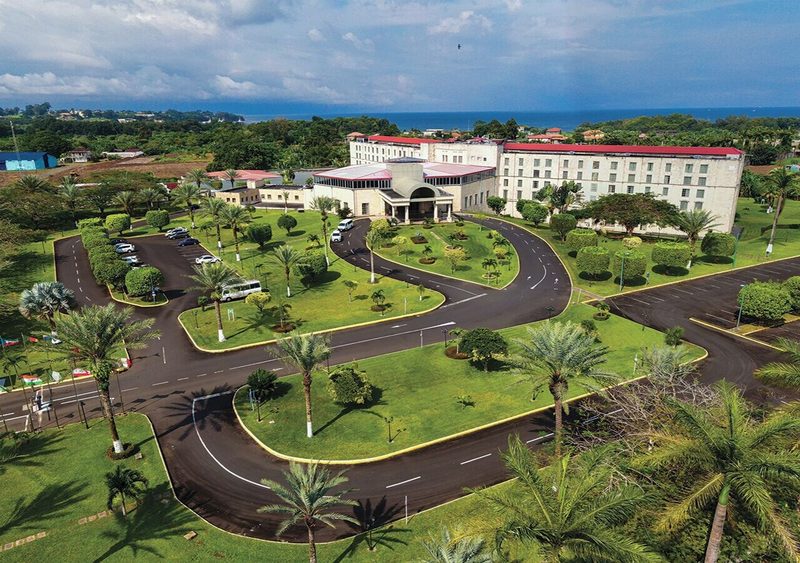
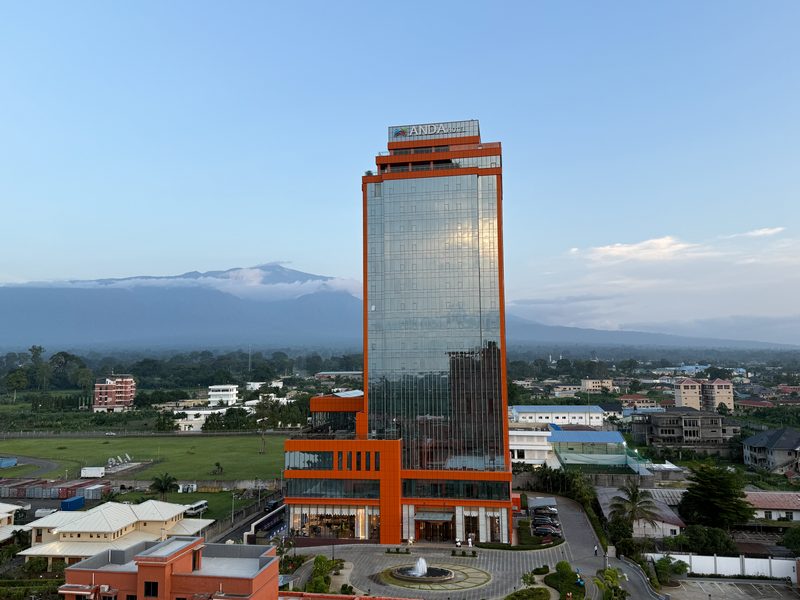
Where to Stay in Malabo in August
Hand-picked hotels across price tiers for August travellers.
Public Holidays in August
Dates that affect opening hours, transport and crowds
Freedom Day
Observed nationwide as a public holiday.
Constitution Day
Observed nationwide as a public holiday.
Freedom Day
Observed nationwide as a public holiday.
Constitution Day
Observed nationwide as a public holiday.
Packing Checklist
Bookmark this page — your progress is saved between visits
Need the full list with shopping links?
Climate-specific gear, brand recommendations, and what to leave at home.
View Malabo Packing List →Essential Tips
Insider knowledge and common pitfalls to avoid
Insider Knowledge
August is, counterintuitively, one of the better wet-season months to visit Malabo. Look at the rainfall curve. June dumps 10.3 inches (262 mm). September hits 9.8 inches (249 mm). August dips to 7.0 inches (178 mm). Locals on Bioko call this the pequena pausa. Families who have been hunkered down since May start venturing out to the beaches and southern villages again. You are timing your visit to the eye of the wet season, not the worst of it.
Photography of government buildings, military installations, the port, and the airport is strictly prohibited and enforced. Guards will confiscate your camera or phone without discussion. The old presidential palace near the waterfront looks photogenic. Pointing a lens at it is one of the fastest ways to create a serious problem for yourself in Malabo. Photograph the cathedral, the market, the coastline, and the forests freely. Ask permission before photographing individuals.
The best eating in Malabo happens not in restaurants but at the informal open-air kitchens near the Mercado Central and along the waterfront. Women cook pepper soup, grilled fish, and fried plantain over charcoal. The smoke and the smell of scotch bonnet chilli will lead you there. Point at what looks good. Sit on a plastic chair. Eat with your hands if the regulars are. These spots serve from around 6 AM to early afternoon, then again in the evening. The food is freshest and the selection widest before 9 AM.
Shared taxis are the primary transport within Malabo. They run fixed routes without marked stops. You flag them down. State your destination. The driver either nods or waves you off depending on whether it is on his route. Fares are fixed by custom, not negotiation. Locals will tell you the correct amount if you ask before getting in. Insisting on a private taxi costs significantly more. It usually means the same car with an empty back seat.
Avoid These Mistakes
Arriving without a yellow fever vaccination certificate. Equatorial Guinea requires proof of yellow fever vaccination for entry. Officials at Malabo's airport check it before you clear immigration. Travelers without it have been denied entry and put on the next flight out. Get the vaccine at least ten days before travel for it to be considered valid.
Assuming you can photograph freely. The prohibition on photographing government buildings, military personnel, the port, and the airport is enforced by armed guards who do not issue warnings. This catches visitors off guard. The colonial architecture near the waterfront is photogenic, and several of those photogenic buildings happen to be government property. When in doubt, put the camera away.
Underestimating how long it takes to get anywhere outside Malabo. The map distance to Luba is roughly 60 km (37 miles), but in August the road conditions can stretch that into a three-hour journey. Mud, unmarked detours, and river crossings that may or may not be passable turn what looks like a short drive into an expedition. Always confirm road conditions with someone who drove the route within the past 48 hours.
Ready to plan your trip to Malabo?
Now that you've got the research covered, here's where to go next.
Book Experiences in Malabo
Top-rated things to do in Malabo this August
