Things to Do in Malabo in July
July weather, activities, events & insider tips
Low Season · Budget Friendly
July Weather in Malabo
Long-run averages for July
83°F (28°C)
High Temp
73°F (23°C)
Low Temp
8.0 inches (203 mm)
Rainfall
86%
Humidity
11
Sunny-Day UV
⚠ Heavy afternoon downpours arrive with little warning and turn unpaved roads, the Luba to Ureka route in southern Bioko, into impassable mud for hours. Schedule all road travel for mornings. Carry water and supplies for unexpected delays.
⚠ Sustained 86% humidity plus 28°C (83°F) temperatures create conditions where heat exhaustion and dehydration develop faster than many expect, during physical activity. Carry water always. Avoid strenuous effort between noon and 3 PM when the heat index peaks.
⚠ Bioko Island sits in an active malaria transmission zone year-round, with July's wet conditions increasing mosquito populations around standing water in rural and urban areas alike. Antimalarial prophylaxis and DEET-based repellent are essential. Not advisory.
Is July Right for You?
Weigh the advantages and considerations before booking
Advantages
- + July delivers the coolest daytime temperatures of the year at 28°C (83°F). Malabo's steep hills and the lower trails of Pico Basilé become far more walkable than during the 31°C (88°F) days of January through March. Mornings along the waterfront feel comfortable. The humidity tightens its grip by noon.
- + Rainfall eases in July compared to June's 262 mm (10.3 inches), dropping to 203 mm (8.0 inches). Storms concentrate in sharp afternoon bursts rather than all-day grey soaks. Mornings stay largely clear for outdoor plans. It is, counterintuitively, one of the more manageable wet-season months on Bioko Island.
- + Malabo sees almost no international tourists in July. The colonial quarter, coastal areas, and southern forest reserves are essentially yours alone. Permits for protected areas are easier to arrange. Local guides have open schedules rather than the scattered bookings of the drier months.
- + Bioko Island's forests hit peak lushness in July. The fruit-heavy canopy draws primate troops closer to accessible trails. Drill sightings in the Gran Caldera de Luba Scientific Reserve tend to increase during the wet season as troops move through lower-elevation fruiting zones. This is one of the better months for wildlife encounters anywhere in the Gulf of Guinea.
Considerations
- − Even in its relative lull, 203 mm (8.0 inches) of rainfall and 86% humidity make July definitively wet. Unpaved roads to southern Bioko's reserves can turn to red-clay mud pits after a downpour, stranding vehicles for hours. The humidity sticks to your skin from the moment you wake up. It never quite lets go.
- − Equatorial Guinea's oil-driven economy makes Malabo one of the most expensive cities in sub-Saharan Africa. Accommodation, meals, and transport all run at levels that would feel steep in Western Europe. July's low season does almost nothing to bring costs down. There is no real tourism-driven pricing cycle here.
- − Tourist infrastructure remains limited by any standard. Organised tour offerings are sparse. English is rarely spoken outside the oil-company enclaves. Arranging permits for protected areas involves navigating bureaucratic processes that reward patience and functional Spanish. Expect to plan more and improvise more than in a conventional destination.
Best Activities in July
Top things to do during your visit
Pico Basilé Volcano Trekking
Pico Basilé rises to 3,012 m (9,882 ft) above Malabo. July's cooler sea-level temperatures make the ascent substantially less punishing than attempting it under the dry-season sun. The paved road climbs partway up the volcano's northern flank through dense montane forest where epiphytes drip from every branch and the air smells like wet earth and rotting figs. Above the treeline, if the clouds cooperate, the view opens across the Gulf of Guinea toward the Cameroon coastline. July cloud cover is frequent, mind you. Set realistic expectations for summit panoramas. The upper slopes drop to around 10-15°C (50-59°F), a genuine shock after Malabo's lowland humidity. Morning starts are essential. Begin before 7 AM to maximise your window of clearer skies before the afternoon storms build from the southwest. The trail above the road's end turns slick with moss and volcanic runoff, demanding proper grip and ankle support on every step.
Booking Tip: Arrange a guide and 4x4 vehicle through a licensed local operator at least two weeks ahead. Solo hiking is discouraged both for safety and because military checkpoints along the road expect registered guide credentials.
Southern Bioko Primate Expeditions
The forests south of Luba harbour some of West Africa's most endangered primates. July is arguably the best month to see them moving at lower elevations. The Gran Caldera de Luba Scientific Reserve and the forests around Ureka, at Bioko's southern tip, shelter Bioko drills, Pennant's red colobus, Preuss's monkey, and several guenon species found nowhere else. During the wet season, fruiting trees in the lower forest draw troops down from the ridgelines, and sightings along accessible trails increase noticeably compared to drier months. The forest itself is extraordinary in July: every surface drips, the canopy closes so tight that midday feels like dusk, and the soundtrack is a layered wall of insects, birds, and the occasional crash of a drill troop moving through the understory. The road between Luba and Ureka is the real obstacle, roughly 40 km (25 miles) of unpaved track that heavy rain can turn into a six-hour, lurching ordeal. That difficulty is exactly what keeps these forests intact. It keeps their primates alive.
Booking Tip: Research permits are required for the reserve areas and must be arranged through local conservation organisations or licensed guides, ideally three to four weeks in advance. Multi-day trips with forest camping yield far more wildlife encounters than rushed single-day visits.
Bioko Coastal Boat Excursions
Bioko's coastline is volcanic, rugged, and largely roadless on its western and southern flanks. Boat access is the only way to reach some of the island's most striking black-sand coves and sea cliffs. July's seas tend to be calmer than the peak storm months of September and October. Local fishermen in Malabo and Luba run excursions in sturdy wooden pirogues that hug the shoreline. The water is warm, around 26°C (79°F), and snorkelling visibility is decent in the mornings before the afternoon rain stirs up sediment. The salt spray, the engine-oil-and-fish smell of the pirogue, volcanic rock rising straight out of green water: it is not a polished experience. It is memorable for the right traveller. Mornings are your window. Storms can build fast over the Gulf of Guinea after midday, and experienced boatmen will refuse to go out once the swell picks up, as they should. Plan for a dawn departure. Return by early afternoon.
Booking Tip: Boat excursions are arranged in person at the waterfront in Malabo or through your accommodation, as there is no centralised booking system. Allow a day or two after arrival to make arrangements and confirm weather conditions the morning of departure.
Malabo Colonial Quarter Walking
Malabo's old centre, still bearing the bones of its years as Santa Isabel under Spanish rule, is compact enough to cover on foot in a morning and strange enough to hold your attention for longer. The Cathedral of Santa Isabel, a twin-towered neo-Gothic structure from the 1890s built with dark volcanic stone quarried on the island, anchors the Plaza de la Independencia. Around it, colonial-era buildings in various states of upkeep line streets where bougainvillea grows over cracked balconies and the smell of frying plantain drifts from open doorways. The contrast with the gleaming government ministry buildings and oil-company compounds on Malabo's outskirts is jarring and deliberate. July's overcast mornings are good for walking: the cloud cover holds temperatures down and the light stays soft on faded stucco facades. By early afternoon the humidity becomes oppressive and rain is likely, so plan your route for the 7 AM to noon window. The central market, a few blocks inland, is the city's sensory core: stacks of smoked fish throwing off a thick woody haze, pyramids of chili peppers, palm oil ladled from blackened drums, and the steady back-and-forth between vendors and customers in Spanish, Fang, and Bubi.
Booking Tip: No booking is needed for a self-guided walk, though hiring a local guide who speaks both Spanish and English unlocks conversations and context that would otherwise pass you by. Arrange through your accommodation or ask at the Plaza de la Independencia.
Sipopo Waterfront and Beach Day
The Sipopo complex, about 12 km (7.5 miles) east of central Malabo along the coast road, was built for a diplomatic summit over a decade ago and remains the closest thing to a resort strip on Bioko Island. The beach is narrow but sandy, sheltered from the worst swells by a curving headland, and the water in July is warm enough that stepping in feels like lowering yourself into a bath. Mornings are often clear with enough equatorial sun to justify heavy sunscreen, though afternoons tend to cloud over and rain. The appeal is relative: this is not a postcard-perfect strand, but a pocket of calm on a volcanic island with warm sand underfoot and fewer people than you could count on two hands. The grilled fish served at the open-air places along the waterfront, often red snapper or barracuda pulled from the water that same morning, is some of the best eating on the island. The flesh flakes apart at the touch of a fork, smoky from the charcoal grill, served alongside fried plantains and a chili sauce that builds its heat slowly across your palate.
Booking Tip: Sipopo is easily reached by taxi from central Malabo with no advance booking needed. Weekend mornings draw more local visitors.
Where to Stay in Malabo in July
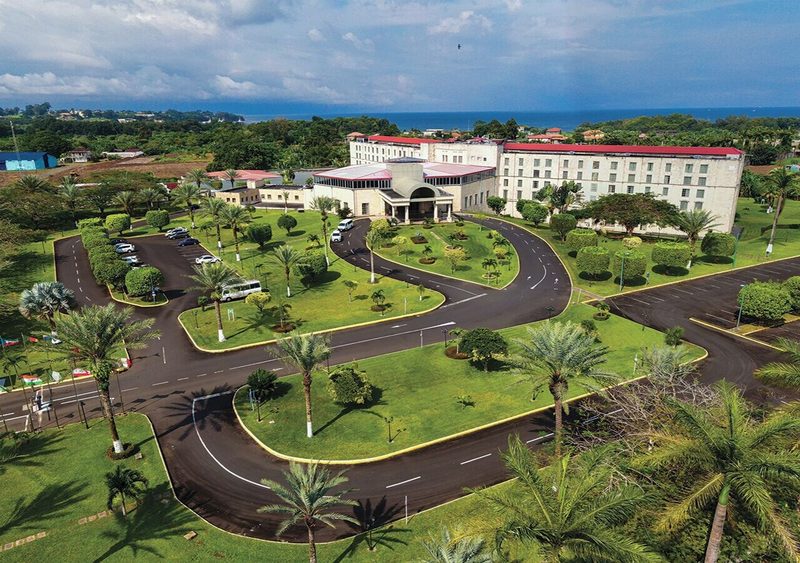
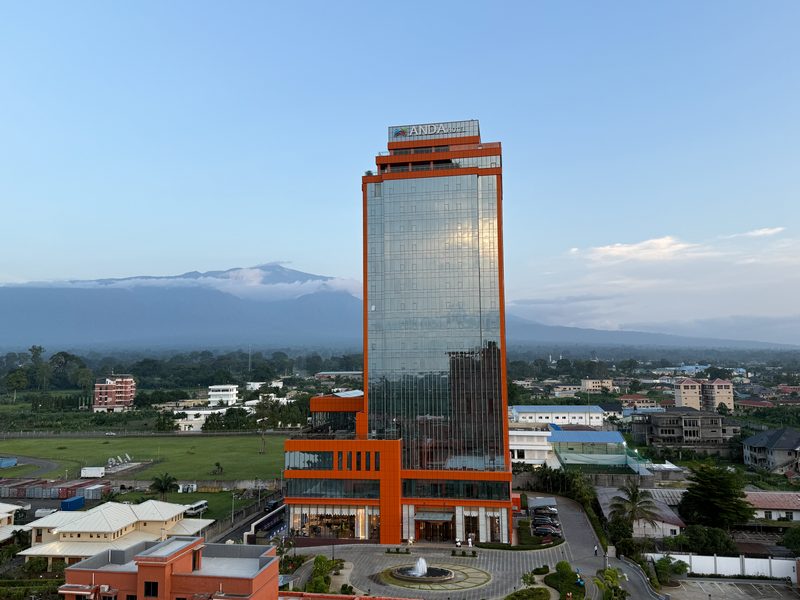
Hand-picked hotels across price tiers for July travellers.
Packing Checklist
Bookmark this page — your progress is saved between visits
Need the full list with shopping links?
Climate-specific gear, brand recommendations, and what to leave at home.
View Malabo Packing List →Essential Tips
Insider knowledge and common pitfalls to avoid
Insider Knowledge
July sits in the narrow dry window squeezed between the heavy May-June rains and the September-October peak. Malabo locals pack their outdoor gatherings and family events into these weeks, capitalizing on clearer mornings. If you must visit during the wet half of the year, July and August are the months Equatoguineans themselves would pick.
The central market rewards early risers. By 7 AM, fish vendors display the freshest catch on banana leaves. Smoked-fish stalls fill the hall with thick, woody haze. Bargaining stays relaxed. By mid-morning, crowds increase and the best produce disappears. Saturday mornings deliver the most atmosphere. They also bring the most chaos.
Malabo's taxis run without meters. Negotiate your fare before entering. Write your destination in Spanish. Know the neighbourhood name. Skip street addresses. This prevents the most common confusion. Locals pay far less than foreigners are first quoted. Negotiate politely. It is expected. A calm smile helps. Be willing to walk away. The price corrects fast.
Visa processing is notoriously slow and opaque. Apply eight weeks minimum before departure. Expect requests for extra documents: hotel reservations, invitation letters, yellow fever proof. Immigration checks that certificate on arrival in Malabo. Refusal without it is absolute. Do not assume you can fix this later.
Avoid These Mistakes
Underestimating Malabo's cost. The oil economy inflates everything. Meals, accommodation, and transport rival major Western European prices. Budget assumptions from other West African capitals will miss by a factor of three or more. Plan trip length around realistic daily costs. Ignore regional averages.
Driving southern Bioko without proper 4x4 and a driver who knows current conditions. Roads beyond Luba deteriorate sharply. July rain turns stretches to deep mud that swallows ordinary vehicles to the axles. Travellers have been stranded overnight here. Hire locally. Carry water and food for delays. The journey is part of the experience.
Skipping antimalarials because the trip is short or the city seems modern. Bioko's malaria transmission runs year-round. July's standing water boosts mosquito populations significantly. Prophylaxis is not optional. Most regimens need days to weeks pre-departure for protection. Start before boarding. Not after landing.
Ready to plan your trip to Malabo?
Now that you've got the research covered, here's where to go next.
Book Experiences in Malabo
Top-rated things to do in Malabo this July
